Skip to content
Back to all

Whisky Flavour & Tasting

Within this hub, we explain everything you need to know about choosing whisky by flavour, including key flavour profiles and tips for finding your ideal whisky.

Whisky Guides By Flavour


single malt whisky

The ultimate guide to choosing single malt – Complete flavour guide

Single malt whisky offers a rich variety of flavours, shaped by fermentation, distillation, and cask selection. Whether you prefer bold, smooth, or delicate expressions, there’s a dram for every palate.

Read More

Fermentation_process_image

Indulge in Rich Single Malt - the Smoothest Whisky from The Cotswolds Distillery

Read More

coloured bottles of whisky

Get Hooked on Smoky Whisky – Your First Lightly Peated Single Malt

Read More

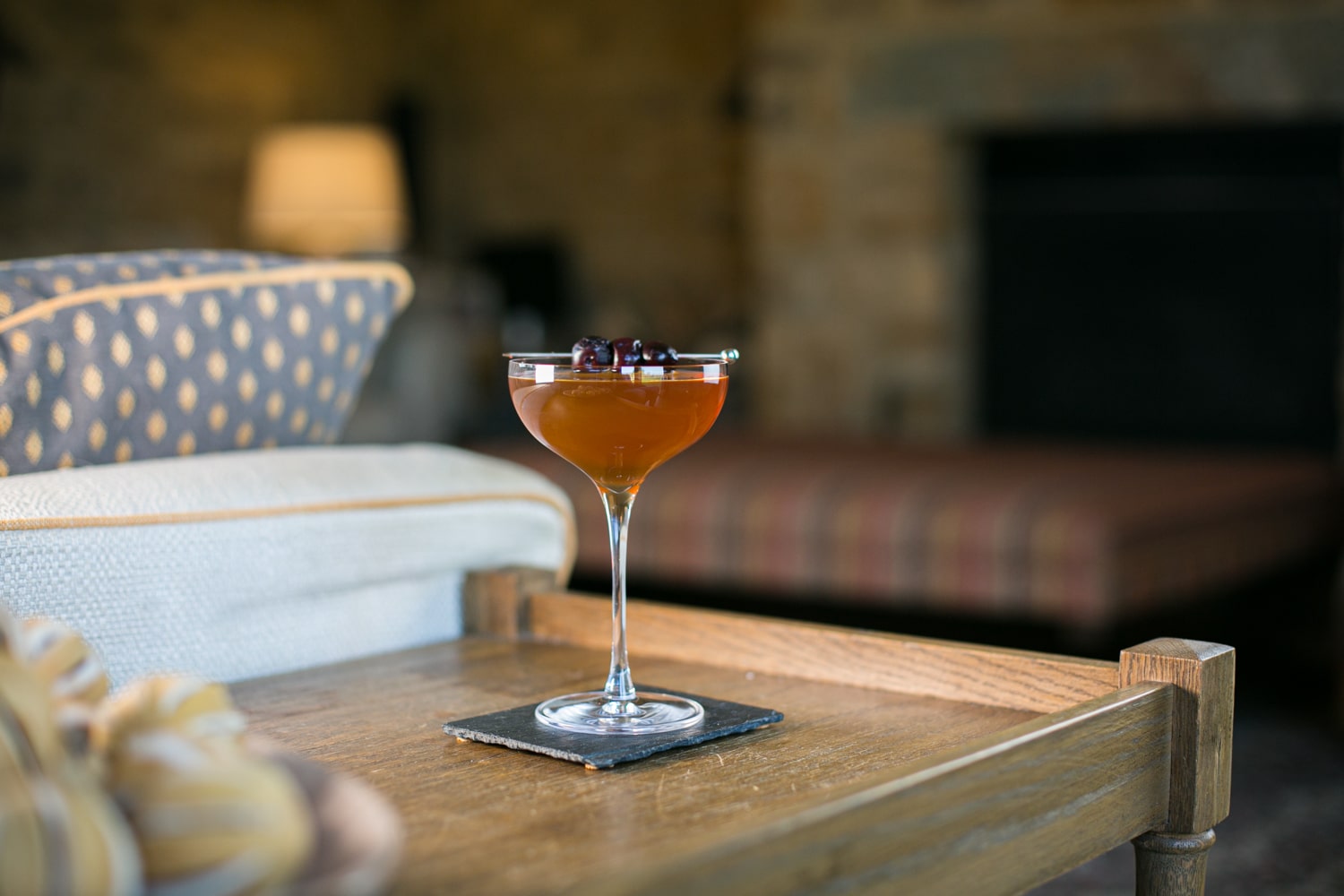
Manhattan whisky

Fruity Whisky for All Occasions - Sweet Whisky for Brandy Lovers

Read More

Whisky glass on a table

Discover the Delicate Flavours of Light and Citrussy Single Malt Whisky

Read More

Whisky glass on a barrel

Herbaceous and floral whisky - light and delicate single malt whisky 

Read More

Article Image

The Best Spicy Whisky Expressions - Warming Single Malt 

Read More

Article Image

Exploring Single Malt Flavour Profiles: Vanilla & Caramel Whisky 

Read More

What Affects Whisky Flavour?


single malt whisky

What Affects Whisky Flavour? Discover the Influence of Casks, Age, Production, Grain and Peat

In this article, we summarise the main factors that affect a whisky’s flavour outcome, from cask selection, age, production techniques, grain choice and the effect of peat.

Read More

Whisky production bottles

Is Old Single Malt Whisky Better? Exploring How Age Changes Its Flavour

Read More

Single Malt Green Whisky

What Gives Whisky Its Flavour? - The Role of Peat

Read More

whisky distillation image

The Impact of Production on Whisky Flavour

Read More

whisky grain image

How Grain Selection Influences Whisky Flavour

Read More

Whisky barrels

How does the cask influence the whisky flavour

Read More

Tasting Whisky


single malt whisky

The Complete Guide on How to Drink Whisky: Which Glass, Neat, With Water, or With Ice?

This article explores the best glass for drinking whisky, whether you should drink it neat, add a few drops of water or serve with ice cubes. Explore the impact of each serving decision and age-old tasting techniques.

Read More

Two glasses of whiskey on a wooden table in the bar

Choosing the Best Whisky Glass: The Perfect Dram  

Read More

Two glasses of whiskey on a wooden table in the bar

Is it Better to Drink Whisky Neat? Discover the Perfect Serve  

Read More

bottle of whiskey with glass

Expert Tasting Techniques for Drinking Whisky Like a Pro


Read More

Whisky FAQs

What’s the best way to store single malt whisky?

If you want to save your whisky for a special occasion or you’ve bought an investment bottle, you’ll want to maintain top quality. You can do this by storing the bottle upright in a cool, dark spot. Re-wet the cork by inverting the bottle once every few months to prevent cracking.

How does single malt whisky get its flavour?

Whisky is made by fermenting starch sugars from grains. The alcohol produced is distilled and matured in oak. There are several things that influence the final flavour of the single malt whisky

The barley itself: the type of grain is highly influential on the final flavour profile, it's why malt whisky and grain whiskies are in distinct categories.

The fermentation: During this crucial stage, aromatic compounds form, which add flavours ranging from tropical or ripe fruit to citrus or floral notes. It's not uncommon for distilleries to smell of banana bread and pina colada during fermentation.Maturation: Whisky takes on lots of flavour from the barrel including red fruit, raisins, nuts, smoke, toffee, toast, caramel and honey. The flavours in your final whisky can depend on the type of barrel seasoning used.


What’s the difference between Scotch and single malt?

Scotch whisky must be entirely produced in Scotland (from barley to bottling), but Scotch whiskey encompasses single malt and blended styles. Some producers even use a blend of different grains other than malt (Grain Scotch). Single malt can come from anywhere in the world, but must be made using 100% malted barley, produced from a single distillery. 

Is your whisky gluten free?

Our single malt whiskies are gluten free.

What’s the difference between single malt and blended whisky?

Single malt is produced from a single distillery while blended whisky incorporates whiskies from a range of sources. Master blenders select a range of malt or grain whiskies which complement one another. The result is usually a smooth, well-rounded, accessible spirit which can be better for mixing.