


A Nature Update from the Distillery
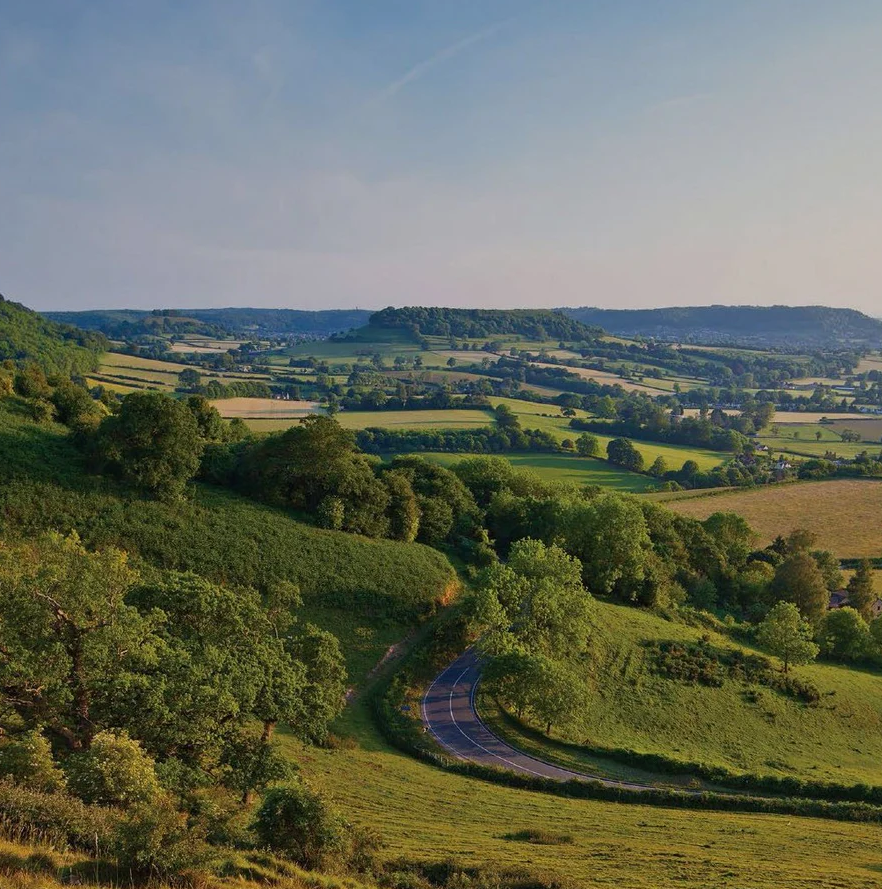
If you've visited us this summer, you'll know our distillery is so much more than the stills. Step outside and there's a whole host of nature surrounding us. Bees on the lavender, butterflies drifting over the terrace, and a fair few residents who call this patch of the Cotswolds home.
Nature is at the heart of what we do here. It shapes our landscape, our botanicals, and our spirits. So we thought it was time for an update on life at the distillery, the wild kind.
Our wetlands are thriving
Behind the scenes, we run an ecological wetlands system to treat our wastewater. Rather than sending it away to be dealt with elsewhere, we let nature do the work. The result is a habitat of wildflower meadows and a willow copse, right here on site.

This system does double duty. It cleans our water, and it supports local biodiversity, from bees and butterflies to the birds that follow them. This year, our wetland wildflowers are having their best year yet. If you’re planning to visit us lately, why not go for a walk through our wetland area and see how many types of wildflowers you can spot!
It's also where a lot of our inspiration comes from. The Cotswolds is home to some of the rarest wildflowers in the UK, growing on limestone grasslands that once covered 40% of this landscape. Today that figure is under 1.5%, so every meadow which is restored matters. We're proud to support the Glorious Cotswold Grasslands project, and our own wildflower meadow, replanted back in 2020, is now part of that story. It's also the reason our Wildflower Gins taste the way they do, built on cornflower, lavender, elderflower, and chamomile, all inspired by what grows right outside the door.
Honey, straight from our own bees
We keep our own beehives at the distillery, and this spring and summer our bees have been working hard. Local beekeeper Steve collects and jars it for us, so you can taste exactly what our bees have been making from our wildflowers and lavender. You'll now find jars of it in our store in Stourton, ready to take home.

New neighbours: muntjac, owls, buzzards and pheasants
We've had some unexpected company on the grounds this year. Muntjac deer, also known as barking deer, have been spotted around the site. Small, shy, and surprisingly loud for their size, they're not what you'd expect to find sharing a patch of land with a working distillery.

We've also had owls keeping watch over the distillery after dark and pheasants strutting around by day, adding their own bit of noise and colour to the place. Between the deer, the owls, the pheasants, and the bees, it turns out we're sharing the distillery with a lot more residents than we realised.

Why it matters
None of this has happened by accident. The wetlands, the meadows, the hives, they're all part of how we work with the land rather than against it. It means better water treatment, more biodiversity, and spirits that genuinely taste of this place.