





Gin FAQs
Is your gin vegan?
Yes, all Cotswolds Distillery gins are suitable for vegans. We don't use any animal products in our gin making process, from botanicals through to bottling. This applies across our full gin range, including our Dry Gin and seasonal expressions.
Is your gin gluten free?
Yes, all Cotswolds Distillery gins are gluten free. Our gin is distilled from a wheat-based spirit, but the distillation process removes gluten proteins, meaning the final product contains no detectable gluten. This applies to our entire gin range, including our Dry Gin, Wildflower Gin and No.1 Gin.
Why does your Cotswolds Dry Gin turn cloudy?
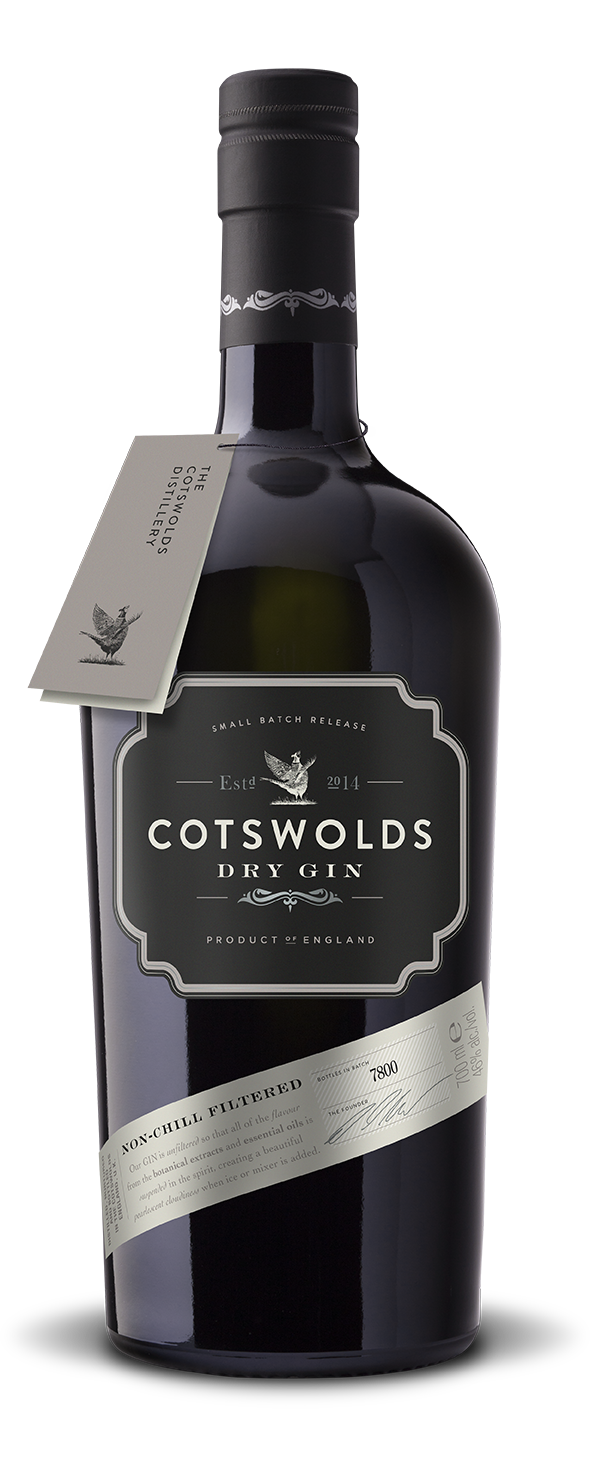
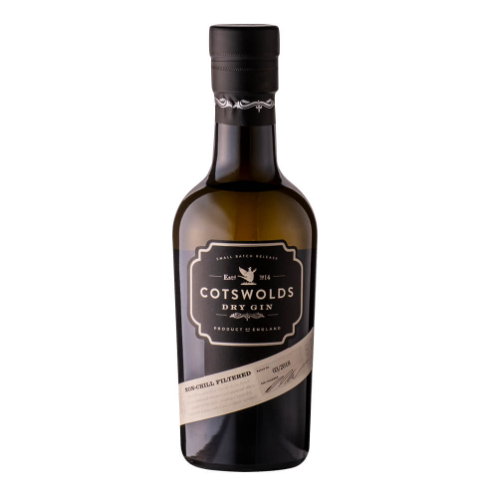
Our Cotswolds Dry Gin is not chill-filtered. We choose not to chill-filter because the process removes some of the natural oils and compounds that contribute to the gin's flavour and texture.
When the gin is chilled or mixed with ice or tonic water, these natural botanical oils come out of solution, creating a beautiful pearlescent cloudiness. This is completely natural and a sign that the gin retains its full character.
We believe that keeping these natural oils delivers a richer mouthfeel and more intense flavour. So for us, a little cloudiness is a very good thing.
What is gin made from?
Gin is a spirit flavoured with juniper berries and other botanicals. Its base is a neutral grain spirit, which is then infused with botanicals such as spices, herbs, flowers, berries and citrus to create its distinctive flavour. Because the base spirit is naturally flavourless, gin acts as a blank canvas, resulting in a wide range of styles—from classic London Dry to richer, slightly sweeter Old Tom Gin and fruit-led expressions like raspberry pink gin.
At Cotswolds Distillery, we build our flavour from carefully selected botanicals. Our award-winning Cotswolds Dry Gin is distilled with nine botanicals, including locally sourced Cotswolds lavender, angelica root, bay leaf, freshly peeled pink grapefruit and lime zest, creating a juniper-led gin with fresh citrus notes and a hint of lavender.
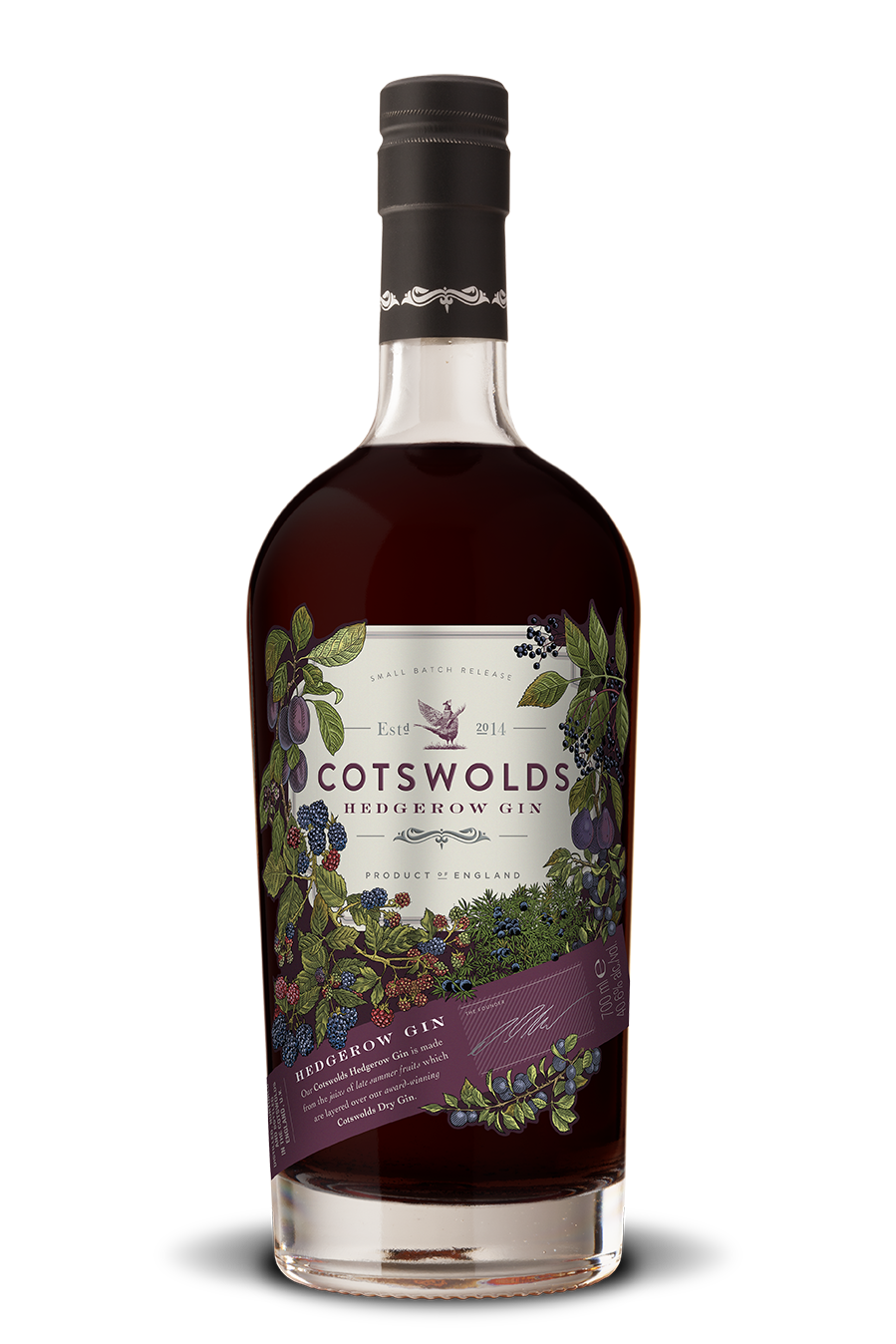
We also produce our Wildflower Gin collection, inspired by the English countryside, alongside our fruit-rich Hedgerow Gin, made with local sloes, bullace, damsons and blackberries, and our traditional Old Tom Gin, which offers a smoother, slightly sweeter take on our classic Dry Gin.
What can you mix with gin?
Every gin has its own unique botanical profile, so we recommend choosing a mixer that complements those flavours rather than overpowering them. That's why we pair each of our gins with a different Fever-Tree mixer.
Our recommended serves are:
Cotswolds Dry Gin – Fever-Tree Indian Tonic Water to enhance its juniper-forward character and fresh citrus notes.
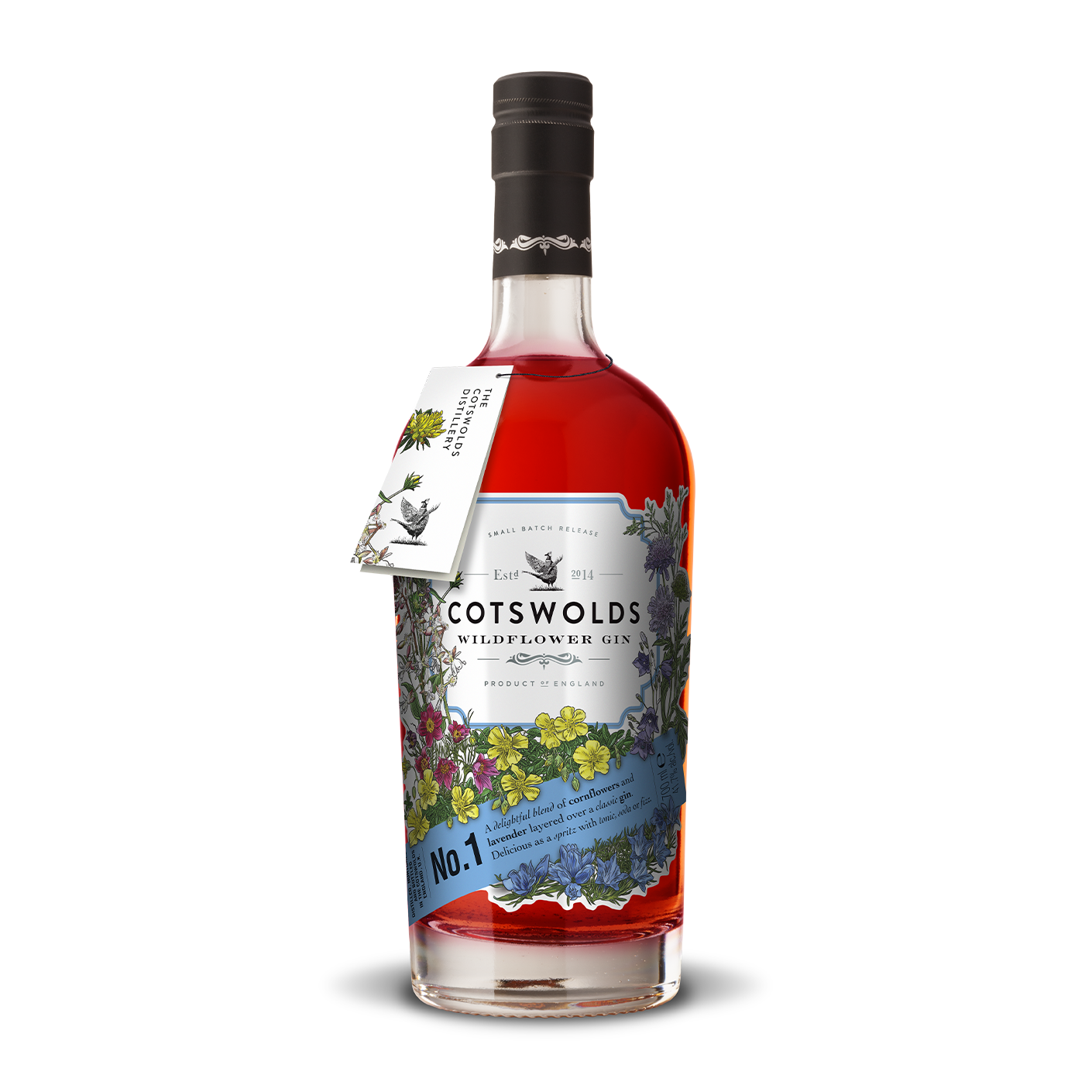
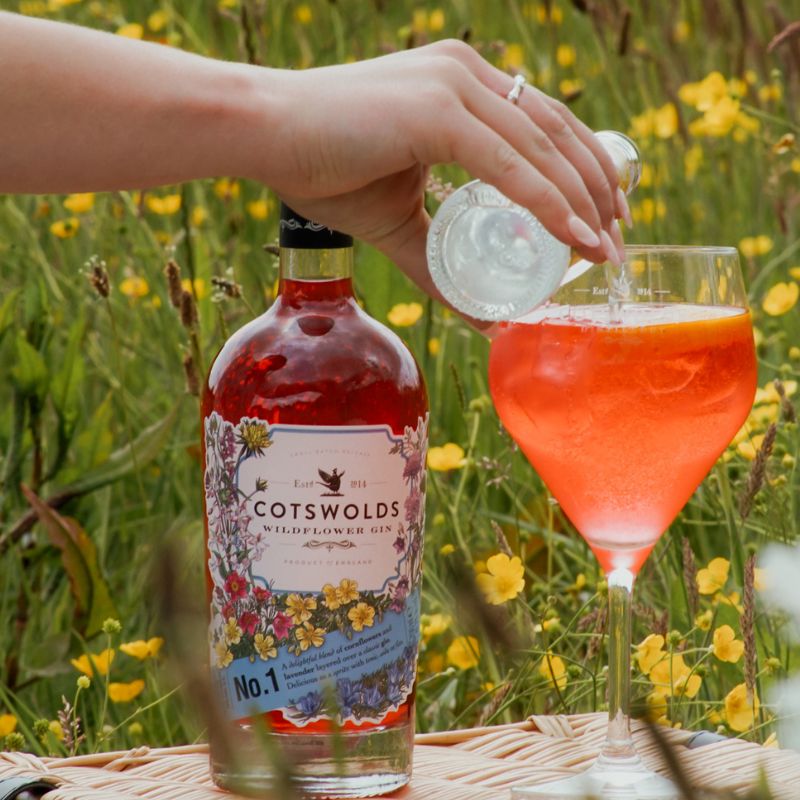
Cotswolds Wildflower No. 1 Gin – Fever-Tree Blood Orange Soda to complement its bright orange and floral botanicals.
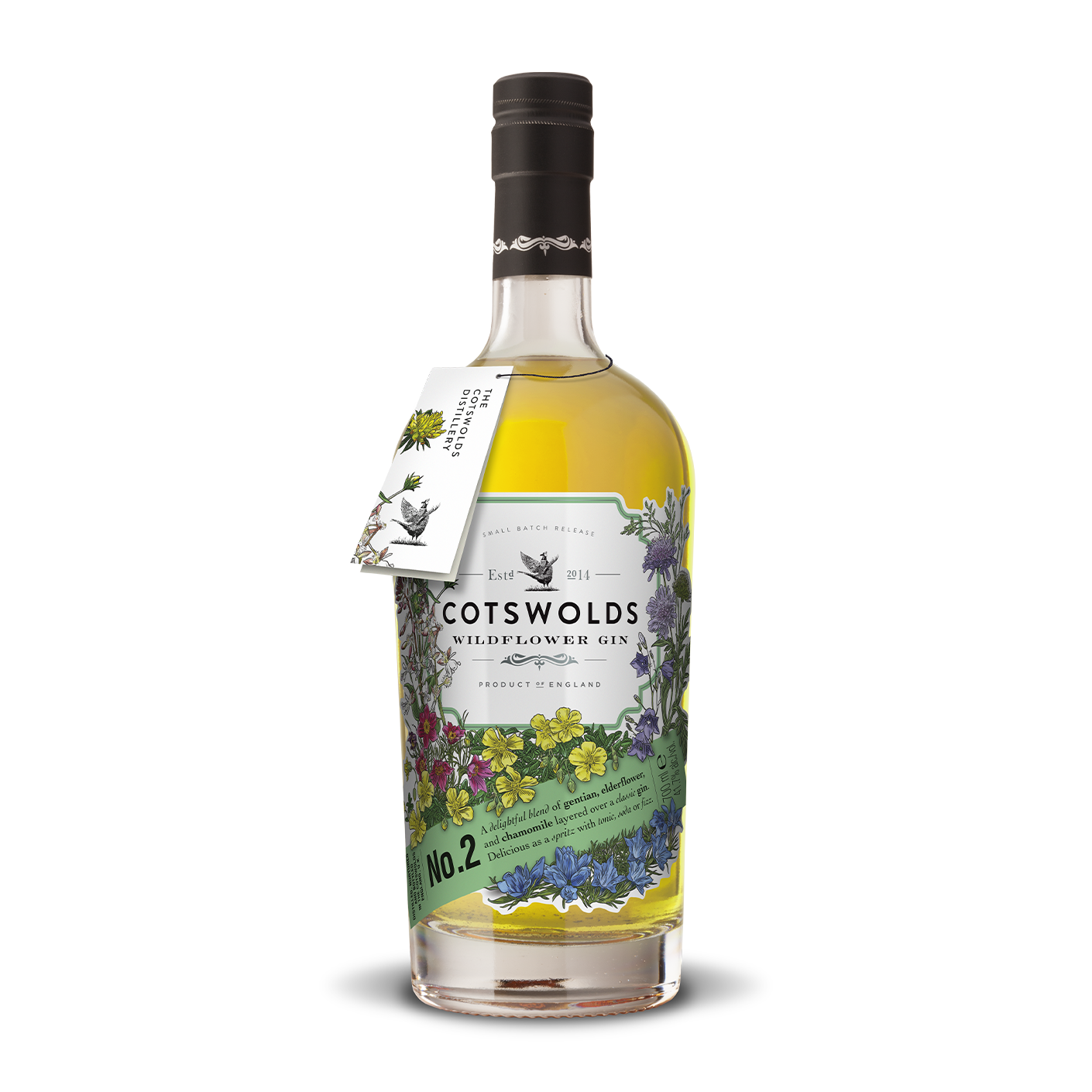
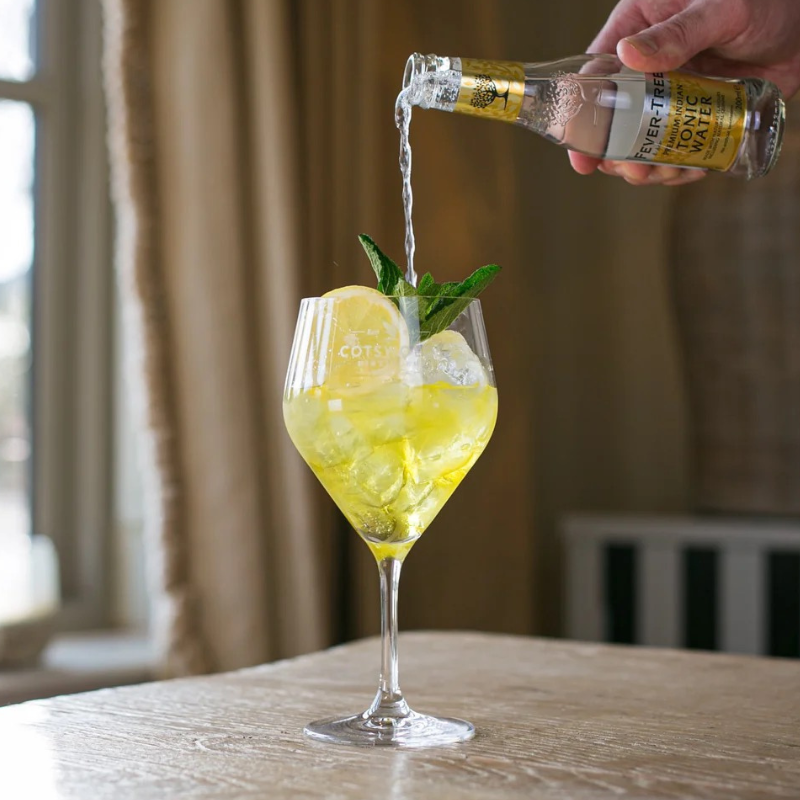
Cotswolds Wildflower No. 2 Gin – Fever-Tree Elderflower Tonic Water to bring out its delicate floral notes and gentle bitterness.
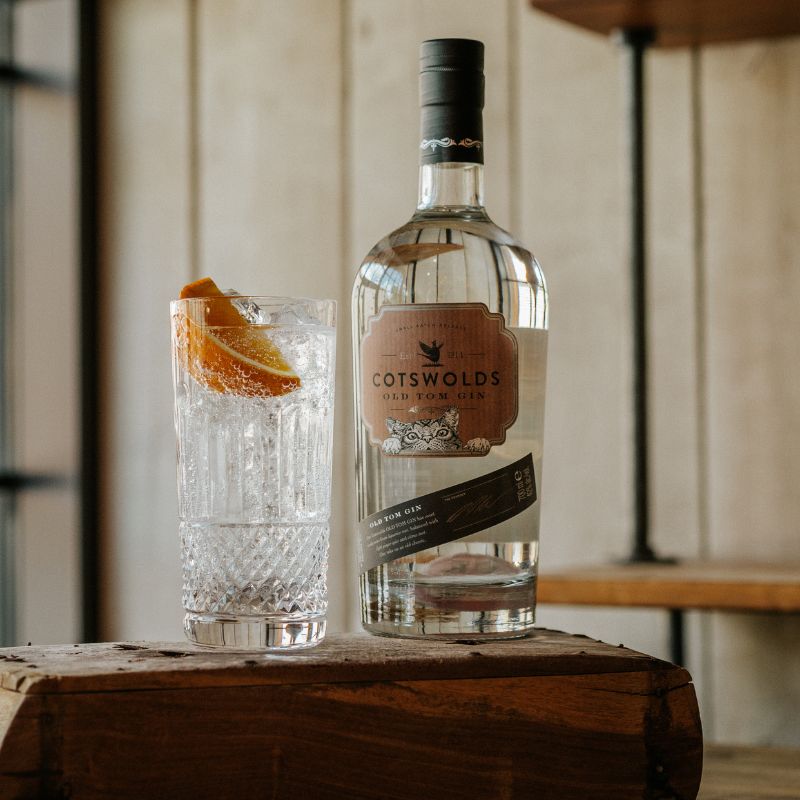
Cotswolds Old Tom Gin – Fever-Tree Ginger Ale to highlight its warming spice and smooth, slightly sweeter character.
Serve over plenty of ice and finish with the recommended garnish for the perfect serve. Or, if you're looking for something different, explore our collection of cocktail recipes for more inspiration.
What makes a good gin?
Quality ingredients are the most important factor when choosing a gin. The base grain spirit should be smooth enough to drink on its own, allowing it to properly take on flavour from the selected botanicals. High-quality, local botanicals then offer the most complex flavour profiles, often capturing something of the environment they were grown in. Beyond that, the best gin really comes down to personal taste, some gins lean citrussy and floral, others spicy and herbal.
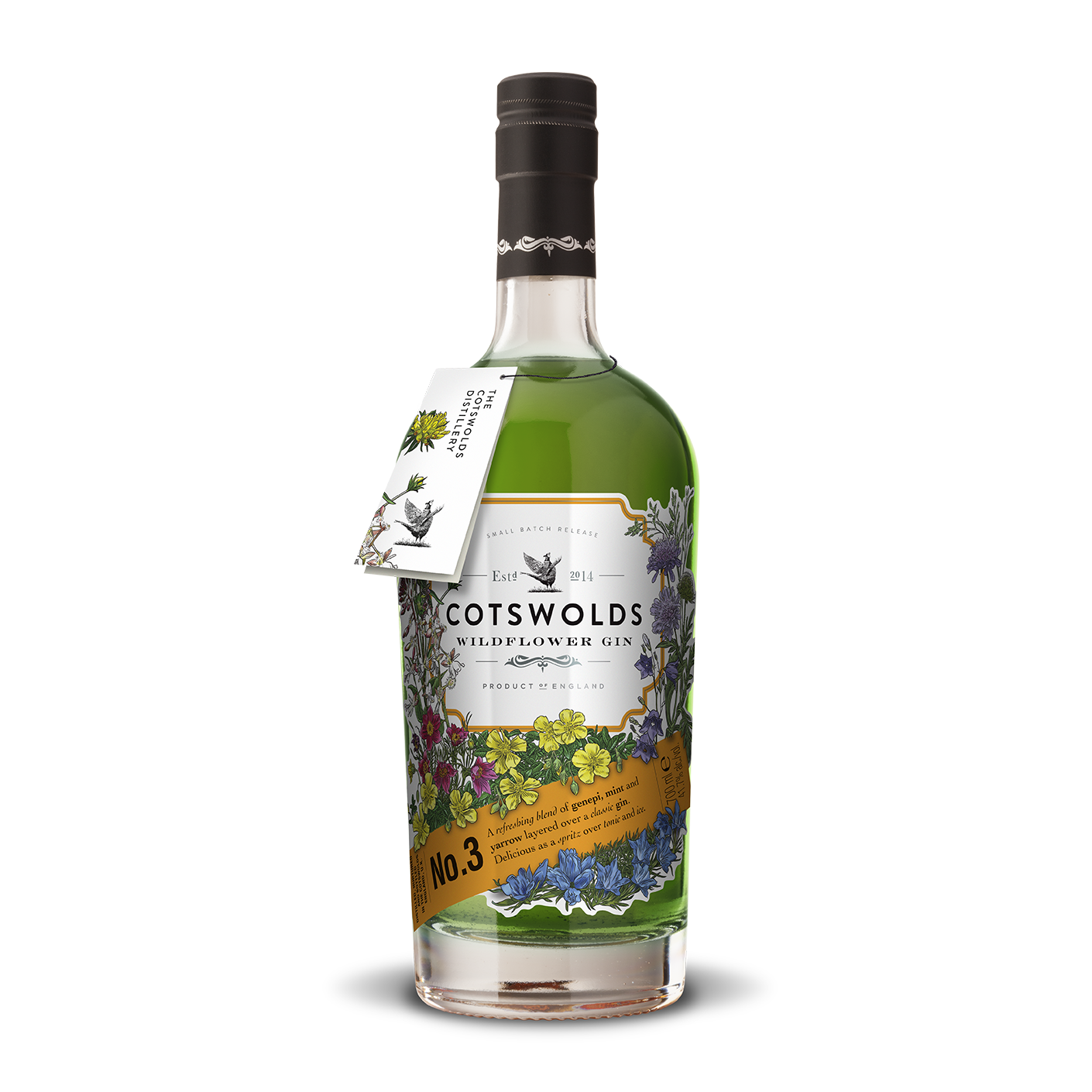
At Cotswolds Distillery, we focus on high-quality English botanicals, many grown locally in the Cotswolds. Our award-winning Cotswolds Dry Gin is a citrussy, floral style, made with nine botanicals including local lavender, angelica root, bay leaf, pink grapefruit and lime zest. If you prefer something more herbal and complex, our Wildflower No.3 Gin combines hand-picked genepi, mint and yarrow with piney juniper and candied lime for a zesty, dry finish. For a fruitier profile, our Hedgerow Gin blends our Dry Gin with local sloes, bullace, damsons and blackberries.
What is the best flavoured gin?
The best flavoured gin really comes down to personal preference. Many people enjoy fruit-infused styles, such as pink gin or rhubarb gin, though these can lean on the sweeter side. If you prefer something more refreshing, a citrus-infused gin is a good option, or something drier and more floral, such as a wildflower gin.
At Cotswolds Distillery, our Wildflower Gin range is inspired by the English countryside and offers a drier, more botanical alternative to sweeter fruit gins. Wildflower No.1 is fresh and floral with cornflower, lavender and zesty orange notes. Wildflower No.2 is golden-hued and bittersweet, with elderflower, chamomile and sherbet lemon notes. Wildflower No.3 is zesty and complex, with genepi, mint and candied lime. If you prefer something fruitier, our Hedgerow Gin blends our classic Dry Gin with local sloes, bullace, damsons and blackberries for notes of sweet blackberry and baked plum.
Can you drink gin straight?
Yes, you can drink gin straight, but neat spirit can overpower the delicate botanical aromas. If you want to get the most flavour from your gin, try adding soda water and a complementary garnish such as fresh citrus, cucumber or a strawberry slice. If you have a sweet tooth, add tonic or lemonade instead.
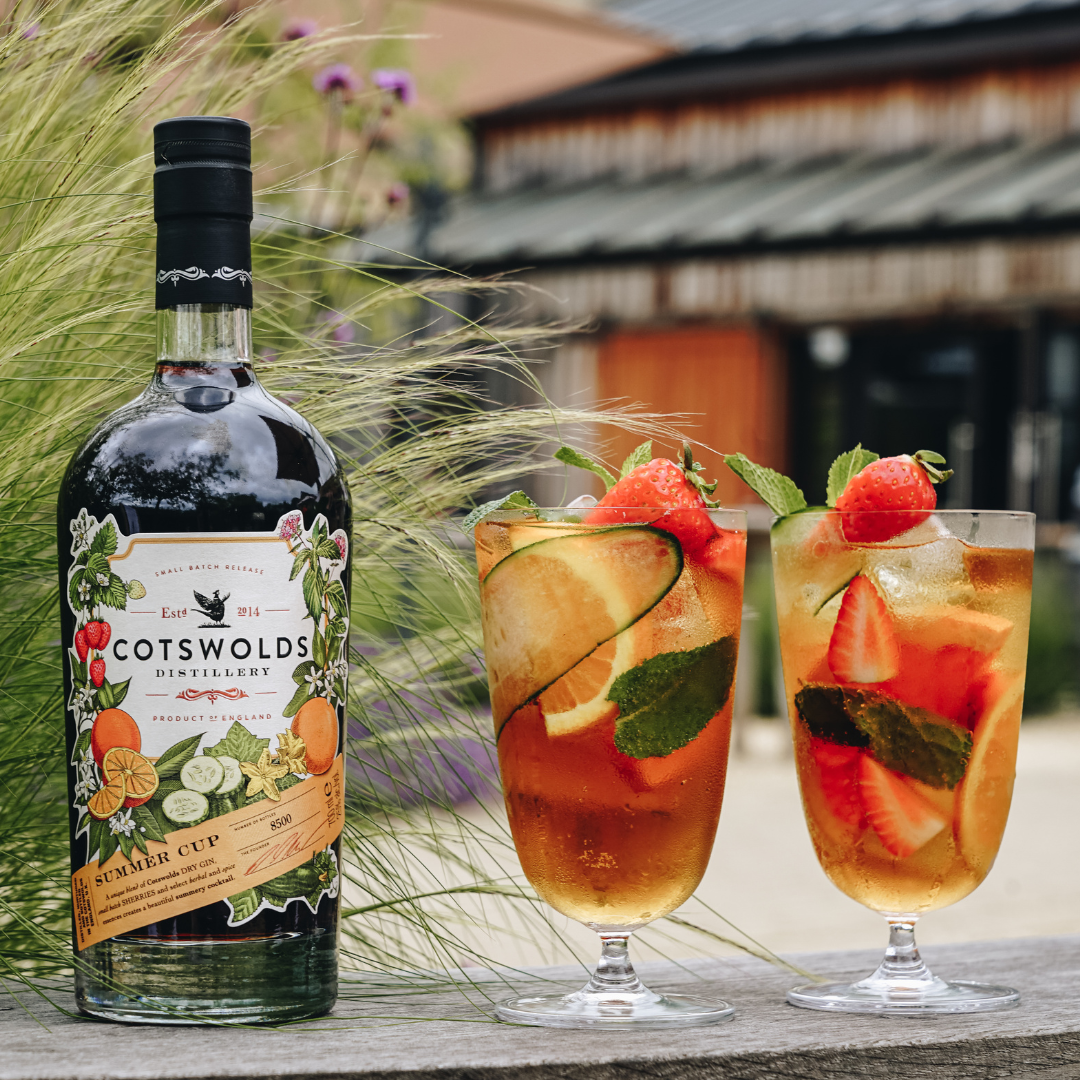
At Cotswolds Distillery, our Cotswolds Dry Gin is juniper-led with fresh citrus notes and a hint of lavender, so it pairs beautifully with soda water and a slice of grapefruit or lime. For a floral serve, try our Wildflower No.1 Gin with tonic and a sprig of fresh mint. If you'd rather skip the mixer altogether and keep things simple, our Cotswolds Summer Cup is delicious served long over ice with fresh fruit, no need for additional spirit.
What is the difference between Hedgerow Gin and Sloe Gin?
While traditional sloe gin is made by infusing whole sloe berries in gin over time, Cotswolds Hedgerow Gin is crafted using our award-winning Cotswolds Dry Gin blended with macerated fruit juices from locally sourced sloes, bullace, damsons and blackberries. This creates a brighter, more complex hedgerow fruit character while retaining the distinctive botanicals of our Dry Gin.
How should you drink sloe gin?
Sloe gin, infused with sloe berries, has an unctuous, fruit-syrup consistency and works excellently in negroni cocktails (with red vermouth and Campari). Balance sweet, sour and spice with ginger ale and lemon juice, or keep it simple with tonic water.
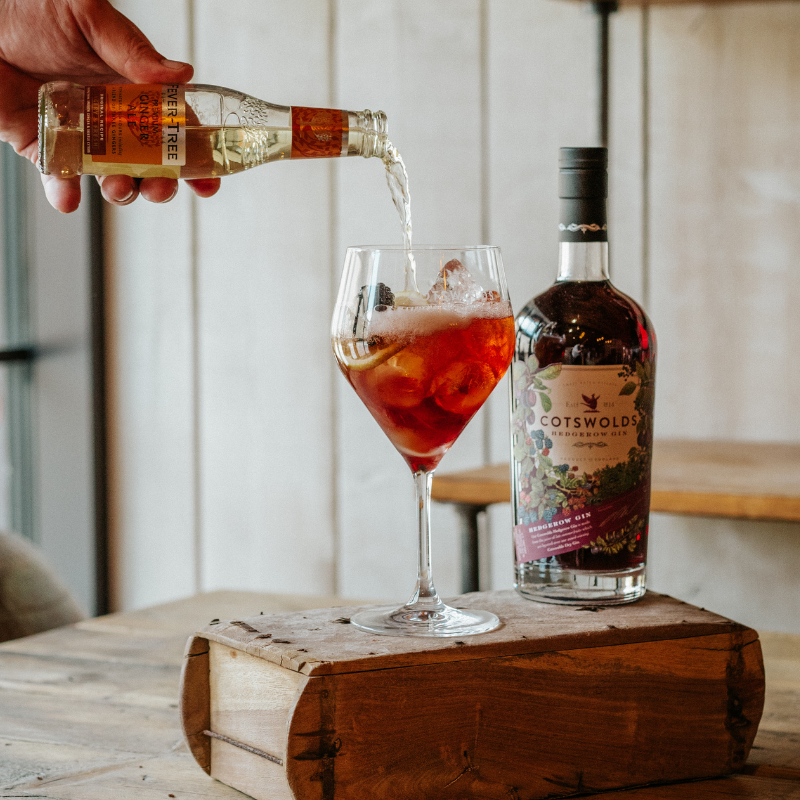
At Cotswolds Distillery, our Hedgerow Gin combines our award-winning Dry Gin with local sloes, bullace, damsons and blackberries, giving it that same rich, fruity character. It's beautifully fragrant with notes of sweet blackberry and baked plum, and works well served simply over ice, mixed with ginger ale, or stirred into a negroni for a fruitier twist on the classic.
What is sloe gin?
Sloe gin is a traditional British fruit liqueur made by steeping whole sloe berries—small, tart wild plums—in gin, often with sugar, for several months. During this time, the fruit slowly infuses the gin, creating a rich ruby-red spirit with flavours of dark berries, plum and almond.
How should you drink gin?
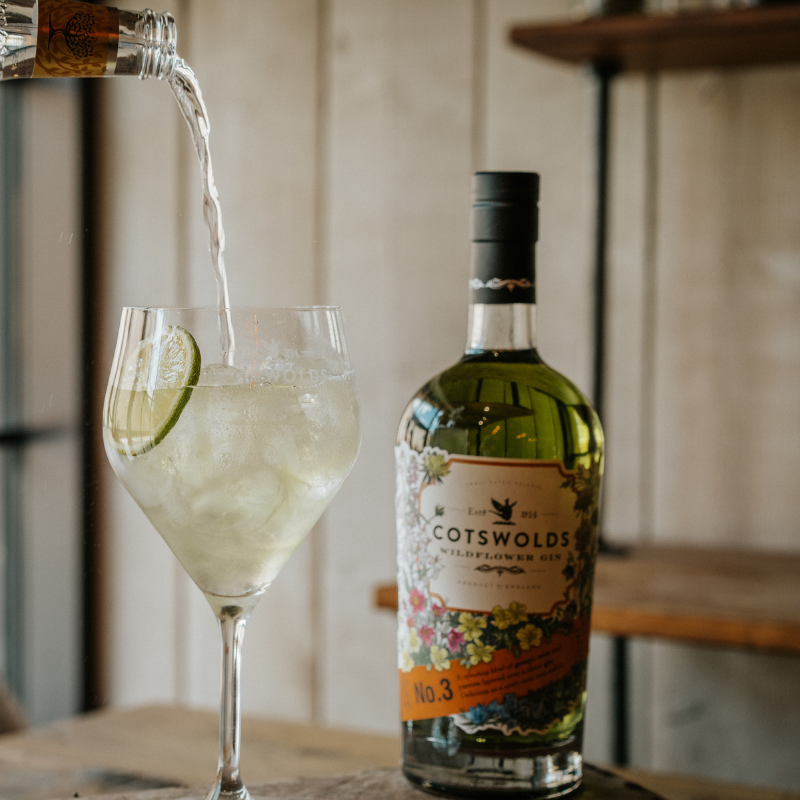
The most popular way to drink gin is with tonic water. The bitter quinine complements the complex bitterness of juniper berries, and tonic's slight sweetness allows the gin's botanicals to shine through. If you don't enjoy tonic water, fruit juice, fruit soda, lemonade or cordials are all excellent pairings.
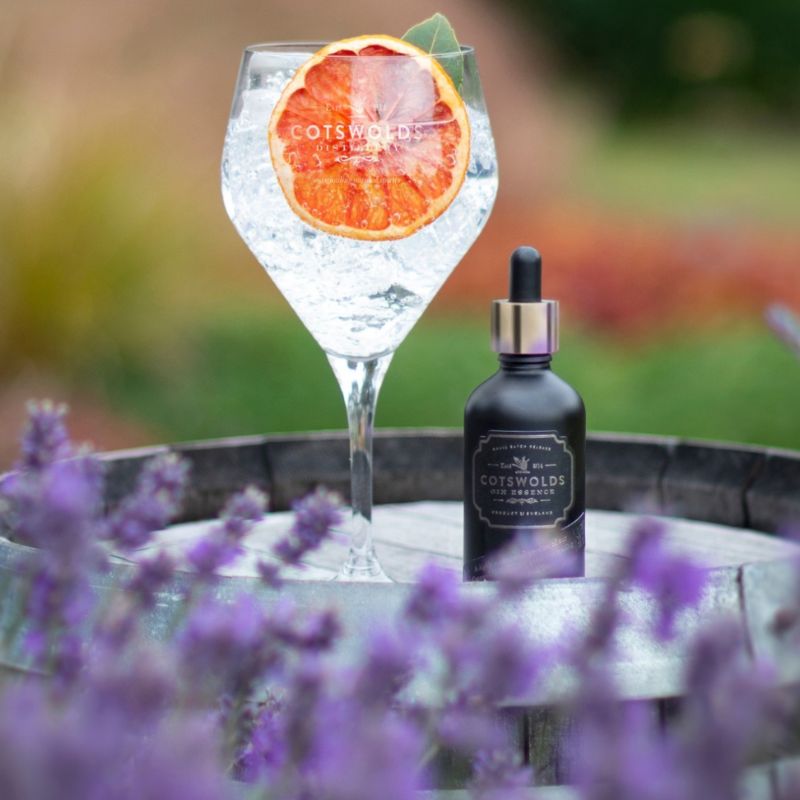
Try our award-winning Cotswolds Dry Gin in a Copa glass with classic tonic, garnished with pink grapefruit and a bay leaf, echoing the citrus and botanical notes in the gin itself. For more serve inspiration across our full range, visit our gin collection.
How do you drink gin liqueur?
Gin liqueurs are typically lower in alcohol than gin and have a sweeter, fruit-forward flavour, making them incredibly versatile. They can be enjoyed neat over ice, with a splash of soda water, or mixed with a complementary tonic or soft drink.
The key is to choose a mixer that enhances the flavours of the liqueur. For example:
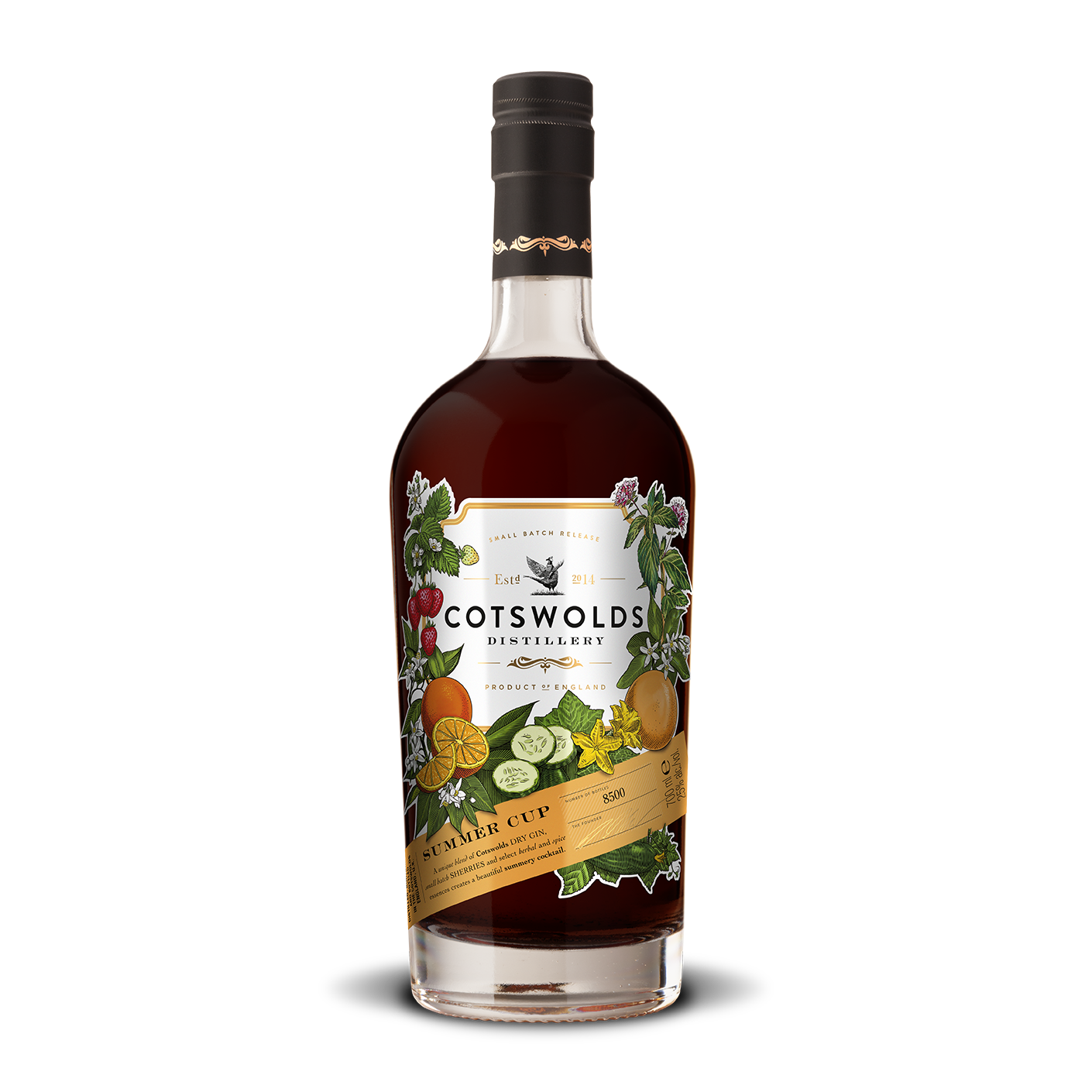
Summer Cup Gin Liqueur – Delicious with ginger ale or lemonade for a refreshing summer serve.
Does gin go off?
To be classified as gin, the spirit must be over 37.5% ABV, which means it's shelf-stable for several years. Gin doesn't really go "off", but if it's stored for too long after opening, the flavours can change and you may not get the same delicate aromas you experienced when you first opened the bottle.
To keep the flavour at its best for longer, store your gin upright in a cool, dark place away from direct sunlight, and make sure the cap is sealed tightly after each use. This is especially worth bearing in mind with our more delicate, floral expressions, such as our Wildflower Gin range, where the subtle botanical notes are best enjoyed while fresh.
How much sugar is there in gin?
Dry gin, also called London Dry Gin, doesn't add any sugar after distillation, which means there is no sugar at all. However, some gin styles, like Old Tom gin, are rounded off with a touch of syrup for easier drinking. Most flavoured gins are sweetened, typically containing around 3-4.5g of sugar per serving.
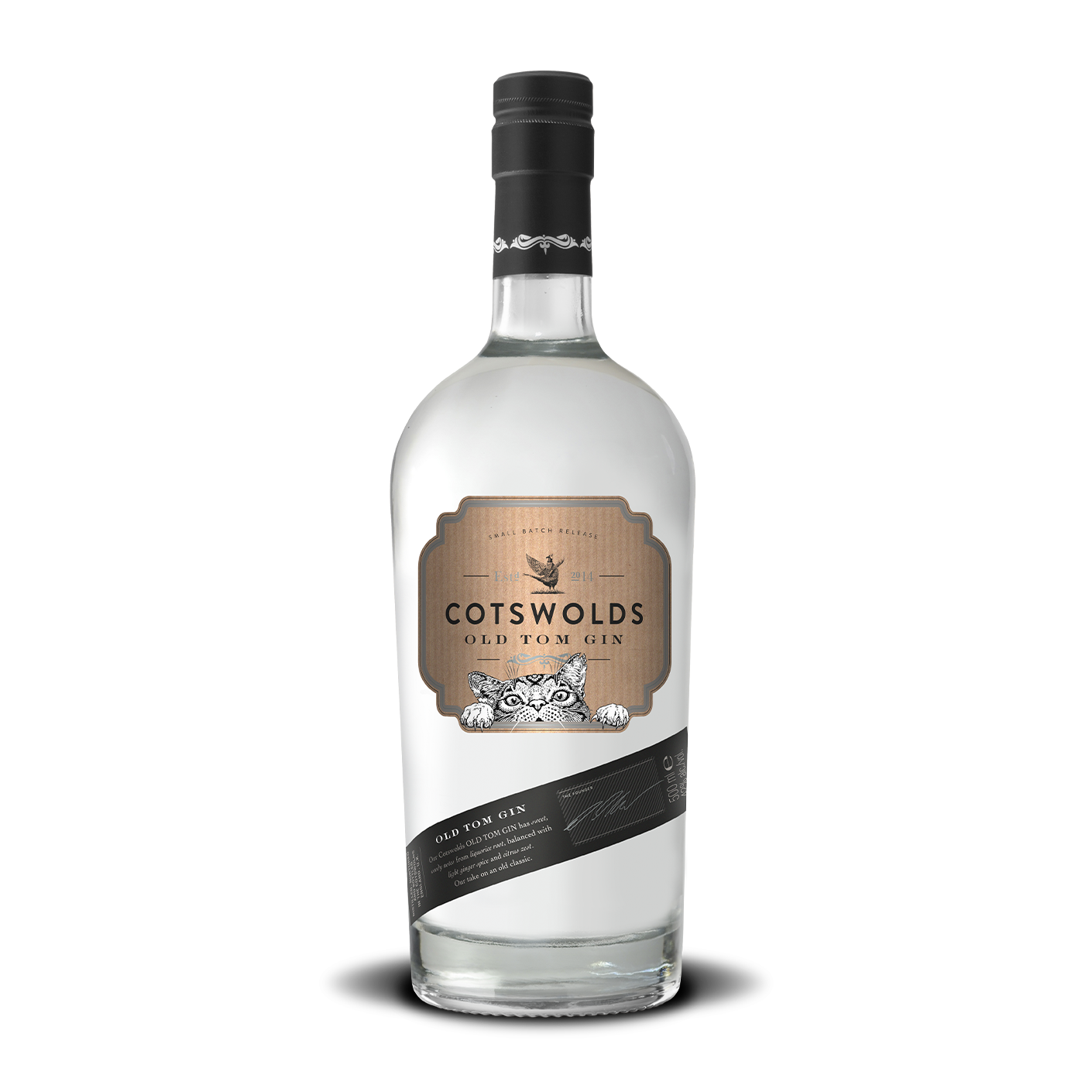
Our Cotswolds Dry Gin is a true London Dry style, so it contains no added sugar. Our Old Tom Gin is sweetened with a touch of sugar syrup, in keeping with traditional Old Tom recipes dating back to the 1700s, giving it a delicate, fragrant character with notes of candied orange. Our Wildflower Gin range uses our classic Dry Gin as a base, layered with botanicals such as cornflower, elderflower and genepi, for just a delicate touch of natural sweetness rather than added sugar.
How much alcohol is there in gin?
To be classified as gin rather than a gin liqueur, the spirit must be at least 37.5% ABV. However, some gin styles, such as Old Tom Gin, can have a higher ABV. Sloe gin and other flavoured gins usually come in at a slightly lower percentage of alcohol by volume, owing to the infusion of fresh ingredients.
Our Cotswolds Dry Gin is bottled at 46% ABV, giving it a full, juniper-led character with fresh citrus notes. Our Old Tom Gin and Hedgerow Gin offer a slightly softer profile thanks to their fruit and sugar content. Browse the full range and ABV details across our gin collection.
What is London Dry Gin?
Dry gin, or London Dry Gin, is produced without any added sugar. Unlike wine, pure spirit doesn't contain any natural sugar or carbohydrates, so dry gin can taste quite bitter. It can also taste more overtly alcoholic compared to styles like Old Tom Gin, where a touch of added sugar helps cut through the alcohol.
Our Cotswolds Dry Gin is a classic London Dry style, made with nine carefully-considered botanicals, including local Cotswolds lavender, angelica root, bay leaf, pink grapefruit and lime zest. It's juniper-led with fresh citrus notes and a hint of lavender, and due to the high volume of botanicals we use, it forms a beautiful pearlescent cloud when ice or tonic is added. If you'd prefer a slightly softer, rounder style, our Old Tom Gin offers a delicate, fragrant alternative with a touch of natural sweetness. Explore our full range in the Cotswolds Gin collection.
What does gin taste like?
The key flavour associated with gin is juniper. You could describe it as similar to pine, citrus zest and pink or black pepper. Gin isn't for everyone, but if you enjoy anise, candied lemon peel, coriander, violet, elderflower or lavender, there's a good chance you'll love it.
Our Cotswolds Dry Gin is juniper-led with fresh citrus notes and a hint of lavender, made with nine botanicals including local Cotswolds lavender, angelica root, bay leaf, pink grapefruit and lime zest. If you love floral, elderflower-forward flavours, try our Wildflower No.2 Gin, with notes of sherbet lemon and delicate eucalyptus. For something with a touch of aniseed, our Wildflower No.3 Gin offers piney juniper and candied lime with a pleasantly dry finish. Explore the full range in our gin collection.
Is gin aged?
Gin isn't usually aged, it can be bottled and sold as soon as it comes out of its second distillation. Its flavour comes from botanicals infused between the first and second distillation. Infusing is different from ageing, but gin will typically spend weeks to months infusing with botanicals at some point during production. It's rare, but some producers do choose to age their gin briefly in ex-whisky or ex-sherry barrels to create a more complex flavour profile.
At Cotswolds Distillery, our Cotswolds Dry Gin is unaged, with flavour built entirely from nine carefully-considered botanicals, including local Cotswolds lavender, angelica root, bay leaf, pink grapefruit and lime zest. As a distillery known primarily for our single malt whisky, we bring that same attention to detail and quality ingredients into our gin making process too.
What are the botanicals used in gin?
Juniper berries are the essential botanical in every gin—without juniper, it can't legally be called gin. Most gins also include a carefully selected blend of botanicals such as coriander seed, citrus peel, angelica root, cardamom, cinnamon, ginger and bay leaf, each contributing its own character.
Floral botanicals such as lavender, chamomile, elderflower and orange blossom can add delicate aromas and complexity. At Cotswolds Distillery, we use locally sourced Cotswolds lavender in our award-winning Cotswolds Dry Gin, and our Wildflower Gin collection showcases a range of botanicals inspired by the wild blooms of the English countryside.
What is the difference between pink gin and dry gin?
Dry gin is a style of gin that doesn't contain any added sugars. Flavoured gin, such as pink gin, is often infused with fruit or other ingredients, typically raspberries or strawberries, and frequently has added sugar to enhance the flavour and give it a softer, sweeter profile.
Our Cotswolds Dry Gin is a true London Dry style with no added sugar, made with nine botanicals including local Cotswolds lavender, angelica root and pink grapefruit zest for a juniper-led, citrusy character. If you prefer something fruitier and naturally rounded, our Hedgerow Gin blends our Dry Gin with local sloes, bullace, damsons and blackberries for a beautifully fragrant, fruit-forward alternative. Browse our full gin range to explore more styles.
What is a good gin to gift?
If you're not sure what the recipient enjoys, a bestselling bottle is always a safe bet, such as our award-winning Cotswolds Dry Gin. For something a little more unique, our Wildflower Gin range makes a distinctive gift, with spring blooms from the Cotswolds infused over our award-winning Dry Gin base. Wildflower No.1 is fresh and floral with cornflower and orange, while Wildflower No.2 offers a golden-hued, bittersweet blend of elderflower and chamomile, perfect for gifting someone who enjoys trying something new.