



The Best Quality Gin: Why Distilling Methods Matter for Taste
What is meant by a “quality gin”? There are three elements that work together to influence the gin's overall taste and character: ingredient quality, production methods and recipe. Optimising these elements will create a quality gin.
Here, we will explore how to choose the best quality gin, including key ingredients and flavours. We will also explore the various distilling methods and how they affect the taste and character of a classic gin.
- What Are the Key Ingredients That Make High-Quality Gin?
- How Do Distilling Methods Influence Taste and Character?
- Why a Flavour Balance Matters in the Best Quality Gin
- Cotswolds Distillery Recommendations
- Frequently Asked Questions
Explore the main ingredients that give quality gin its unique flavours.
Compare different techniques and how they impact a gin’s flavour profile.
Learn how to find the best gin bottle for your taste palette.
Shop our gin range.
Read common questions on choosing a quality gin.
What Are the Key Ingredients That Make High-Quality Gin?
At the heart of every gin is its botanicals, which form the foundation of the flavour profile. In line with UK/EU spirit regulations, all gins must be juniper-led in flavour, giving them their iconic piney taste. Some distillers will include additional botanicals to create a unique, aromatic blend, which often sets a premium gin apart from the rest.
Base Spirit Quality
Before any juniper or botanicals are added, gin distillers create a neutral spirit, which is incredibly pure, high-quality alcohol with very little flavour of its own. Similar to how vodka is made, gin’s base spirit is created by fermenting and distilling something with sugar or starch, such as:
● Wheat – expect incredibly smooth and soft mouthfeels, which are common in premium gins
● Grapes – less common, often silky and slightly rounded
The base spirit is an important factor in the gin’s quality, as it adds smoothness to the overall texture and allows the botanicals to shine through the flavour profile.
Juniper Berries
The best quality gins feature a juniper-forward profile, with common variants including Mediterranean and Balkan berries. The quality of juniper berries often depends on oil content, freshness, and sourcing – the best have a dark purple-blue colour and are harvested by hand.
Supporting Botanicals
To support the piney taste of juniper, which on its own is quite simple, distillers include other botanicals to balance the berries’ sharpness and enhance the overall flavours.
Here are some of the common botanicals in gin:
● Coriander seeds – warm, spicy and citrusy notes
● Angelica root – earthy and herbal
● Citrus peels (lemon, orange, grapefruit) - bright, zesty and refreshing
● Cardamom – spicy-sweetness with eucalyptus-like flavours
● Liquorice root – woody, aniseed and aromatic
● Cinnamon – warmth, sweetness and wood spice
At the Cotswolds Distillery, we prioritise quality and quantity of ingredients. Our Cotswolds Dry Gin has 10 times more botanicals than most premium gins, delivering incredible depth of flavour for a rich mouthfeel with every sip. Add a quality tonic to create a high-quality, flavour-rich cloudy G&T.

How Do Distilling Methods Influence Taste and Character?
The journey from a simple base spirit to a complex, aromatic gin is all about the distillation process. This gives the distiller the perfect opportunity to be creative, infusing the alcohol with unique flavours and their carefully chosen botanicals. How the gin is distilled can dramatically change the final taste and character.
Below are some of the most common and popular gin distillation techniques, and the flavours to expect:
Column Distillation
Efficient for large-scale gin production, column distillation is a continuous process that produces very pure spirits. The still contains a series of columns with plates, which allow the alcohol to be repeatedly distilled in a single run, stripping impurities and creating a clean, smooth base for the gin.
Column distillation often produces lighter, cleaner, and more neutral flavour profiles – acting as a perfect blank canvas for added botanicals and leading to less harsh gins.
Vacuum Distillation
Innovative and often used in modern craft gin, vacuum distillation uses reduced pressure and lower temperatures to protect delicate botanicals and preserve their fresh, vibrant flavours. This distillation method produces brighter aromas and a taste that is incredibly fresh and true to its botanical sources.
Traditional Copper Pot Distillation
Time-tested and incredibly effective, many gin distillers prioritise traditional pot distillation for a fuller body and smoother spirit, showcasing the unique essence of piney juniper. In this process, the spirit is distilled more slowly and evenly in a copper pot still to preserve the integrity of the botanicals used.
Copper also removes the sulphur compounds found in the spirit, which produce a smoother final gin and eliminate unwanted aftertastes.

Here at the Cotswolds Distillery, we meticulously craft premium whisky and gins using traditional copper stills. Our Cotswolds Dry Gin is distilled in our traditional copper pot still named Dolly (after the iconic Parton).
But it’s not just Dolly who works 9-5 making Cotswolds Gin. Named after a famous water spirit, Lorelei is our Holstein copper pot still that embodies a refined, sophisticated character. We use Lorelei for our small-batch gins, including Old Tom Gin.
Learn more about how we name our copper pot stills here.
Why a Flavour Balance Matters in the Best Quality Gin
This is what ultimately defines a high-quality gin. While ingredients and distillation shape the spirit, flavour balance controls their effectiveness and how well they work together for a nuanced, complex taste. A well-balanced gin creates a harmonious balance between juniper, botanicals, and alcohol content, resulting in a smooth, enjoyable drinking experience.
Without proper balance, the juniper berries can taste sharp and overpower the overall flavour. Instead, the best quality gin focuses on creating an even balance amongst the ingredients, allowing for a smooth, rounded and cohesive taste.
A quality gin tastes:
● Smooth, not harsh
● Layered and complex
● Juniper-led but balanced
● Clean on the finish
Cotswolds Distillery Recommendations
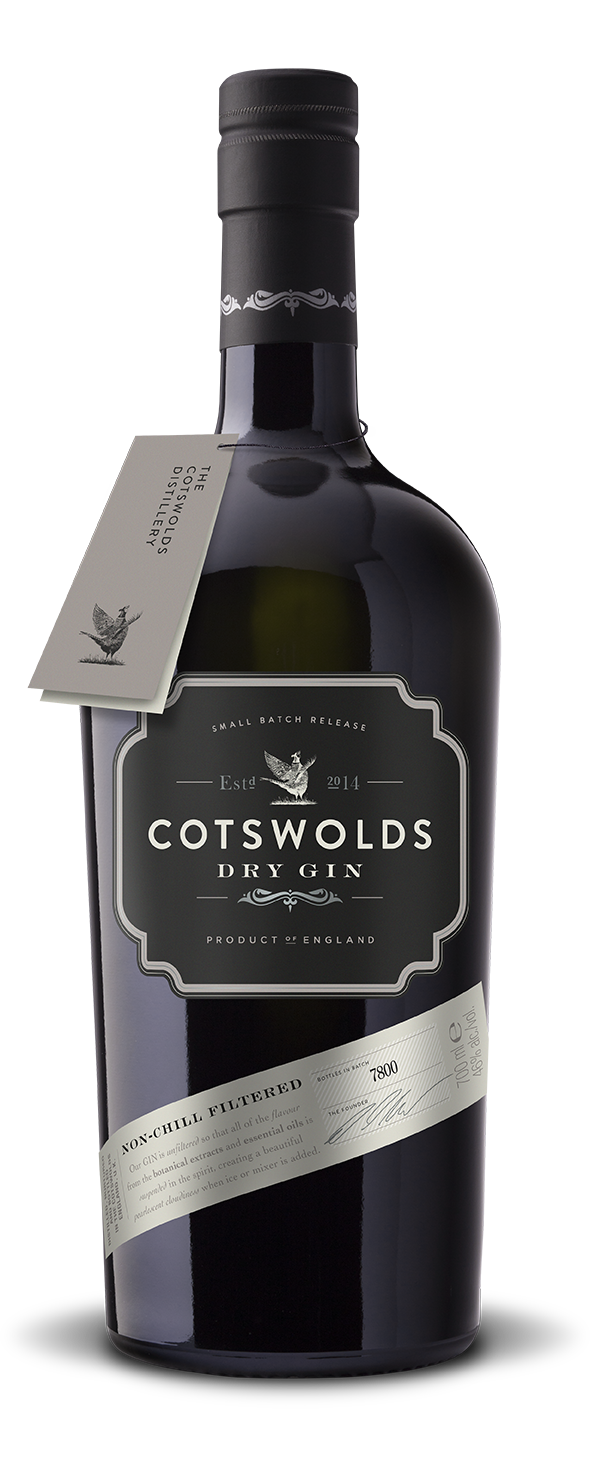
1) Cotswolds Dry Gin
Distilled using traditional copper pot methods for maximum flavour extraction, our Cotswolds Dry Gin shows how careful small-batch production and high botanical concentration can create depth, texture, and balance in the glass.
Using a high volume of botanicals, craft a beautiful pearlescent cloud when adding ice and a tonic to the gin – perfect for a cloudy G&T served with a slice of pink grapefruit.
● Key botanicals – juniper berries, coriander seed, angelica root, Cotswolds lavender, lime peel, pink grapefruit zest, cardamom seed and black peppercorn
● How it’s made – distilled in our traditional copper pot still called Dolly
● Flavour profile – citrus, spice, and floral
2) Old Tom Gin
Produced in a small-batch Holstein copper pot still, Cotswolds Old Tom Gin balances sweetness with an intense botanical blend to create complex flavours, resulting in a richer, more rounded gin style.
● Key botanicals – juniper berries, angelica, fresh orange peel, liquorice root, ground ginger, caraway and cardamom
● How it’s made – distilled in our 500L Holstein called Lorelei
● Flavour profile – slightly sweet with herbal and citrus notes

Frequently Asked Questions
Does Price Always Reflect Quality When Buying Gin?
Not always. Higher prices can reflect small-batch production, premium ingredients, or brand positioning - but flavour balance, personal preference and distillation quality are better indicators of true quality than price alone.
What is the Difference Between London Dry and Distilled Gin?
London Dry gin must be distilled with natural botanicals and cannot contain added flavouring or sweetener after distillation. Distilled gin may allow additional flavouring or adjustment after distillation, depending on the producer.
Does Small-Batch Gin Have Better Quality?
Not automatically, but small-batch production allows greater control over flavour, consistency, and botanical extraction - which often supports higher quality.
What is a Good Quality Gin for Someone New to Gin?
If you're new to gin, a great choice would be a London Dry Gin, as it's the classic style that many people think of when they hear "gin."
Find the right flavour for your taste with our miniature gin trio gift set – the perfect gift for gin lovers and those looking to try new gin flavours.