



Comparing Single Malt Whisky and Single Grain Whisky
Single malt and single grain whisky sound almost the same, but they are made in quite different ways and taste quite different too. Most of the confusion comes from the way whiskies are named.
In this guide, we explain the key differences in ingredients, production and flavour, so you can understand what is in your glass and find the style you enjoy most.
What’s the Difference Between Single Malt and Single Grain Whisky?
The two names follow the same pattern, which is why they are so easily confused. Each word on the label tells you something different.
- Single means the whisky was made at one distillery. It doesn’t mean one cask or one grain, and it can apply to both malt and grain whisky.
- Malt means the whisky is made only from malted barley, with no other grains, not even unmalted barley.
- Grain means the whisky includes other cereals, such as wheat, corn, rye or unmalted barley, usually alongside some malted barley.
So single malt whisky is made at one distillery from 100% malted barley, and in the UK it must be matured in oak for at least three years. Single grain whisky is also made at one distillery, but from a mix of cereals. Add even a small amount of another grain to a malt whisky, and it can no longer be called malt.
Malt whiskies that combine more than one distillery, such as double malt and blended malt, still use only malted barley.

What is single grain whisky made of?
Most single grain whiskies use some malted barley, which provides the enzymes that turn starch into sugar, alongside other cereals like wheat, corn, rye or unmalted barley. The mix of grains, known as the mash bill, shapes the flavour.
What grains can you use to make whisky?
Whisky is a spirit distilled from fermented cereal grain and aged in wood, so potatoes and fruit are out. Malted barley is by far the most common grain in Scotland, Ireland and England, but distillers around the world also use:
- Malted barley
- Unmalted barley
- Maize (corn)
- Rye
- Wheat
- Oats
- Millet
- Rice
“We’ll tell you if we’re using different grains and mash bills, because that makes the story and end product more interesting. We just stick to single malt because that’s what we’re set up to do.”
Rob Patchett, Global Whisky Ambassador at the Cotswolds Distillery
Can you malt other grains for whisky?
Yes. Malting means letting the grain start to germinate, then drying it, which develops the enzymes needed to release its sugars. Barley is the classic choice, but rye, wheat and other cereals can be malted too. More often, though, other grains are cooked to release their starch, with a little malted barley added to convert it into sugar.
Single malt vs single grain at a glance
| Single Malt | Single Grain | |
| Distilleries | One | One |
| Grain | 100% malted barley | A mix of cereals, usually including some malted barley |
| Stills | Copper pot stills | Usually column (Coffey) stills |
| Distillation | In batches, usually twice | Usually continuous |
| Spirit style | Fuller, more flavourful new make | Lighter, cleaner new make |
| Minimum age (UK) | Three years in oak | Three years in oak |
Which is Better, Single Malt or Single Grain?
Neither is better. It comes down to personal taste, and both can be excellent.
Single malt is far more widely made and celebrated, so there is a huge range to choose from, including ours. Fewer distilleries release single grain whisky on its own, as most grain whisky goes into blends. But the best single grains are well worth seeking out.
If you are new to whisky, a grain whisky’s softer, sweeter style can be an easy way in. If you love the depth of single malt but want something just as versatile, try our Signature Single Malt.
“[Signature Single Malt] can be described in different ways: marmalade on toast, apples and pears, honey and lemon. It’s really a Swiss army knife of whisky.”
Rob Patchett, Global Whisky Ambassador at the Cotswolds Distillery
Grain whiskies tend to be rounder and softer, with caramel, vanilla and buttered toast from the cask. That makes them great for mixing. Single malts are usually fuller and more characterful. Depending on the style, you might find fruit, honey, spice, dried fruit, oak or smoke. Read more about how single malt compares to other types of whisky.

How Does Production Differ Between Single Malt and Single Grain?
There are two main differences: the grain and the still.
Malt whisky uses malted barley, which goes through an extra malting step before it is milled, mashed and fermented. Grain whisky uses a mix of cereals, which are usually cooked to release their starch.

Malt whisky is distilled in batches in copper pot stills, usually twice. Grain whisky is usually distilled continuously in tall column stills, also known as Coffey stills. Pot stills keep more of the fruity, oily flavour compounds, giving a fuller spirit. Column stills produce a lighter, cleaner spirit at a higher strength, which takes more of its flavour from the cask.
How is single grain whisky produced?
The grains are cooked to release their starch, and malted barley is added to turn that starch into sugar. Yeast ferments the sugary liquid into a kind of beer, which is then distilled continuously in a column still. In the UK, whisky must be distilled to less than 94.8% ABV, and grain spirit often comes off the still not far below that. It is usually matured in American oak, which adds sweetness, vanilla, caramel and spice.
How is single malt whisky produced?
Barley is malted by soaking it, letting it germinate, then drying it. Some distilleries dry the malt over peat fires for a smoky flavour. The malt is milled, mixed with hot water to release its sugars, and fermented with yeast. The resulting wash is distilled twice in copper pot stills. The first distillation produces a spirit of around 20 to 25% ABV, and the second raises it to around 70%, keeping only the best part of the run, known as the heart.
The spirit is then matured in European or American oak casks. Casks that previously held wine, sherry or Bourbon add even more flavour. At the Cotswolds Distillery, we use long fermentations and careful cuts to pack our spirit with fruit before it reaches the cask. Learn how we make our single malt.

Flavour Differences Between Single Malt and Single Grain Whisky
Because grain whisky is a lighter spirit, most of its flavour comes from the cask. Single malt carries more flavour from the spirit itself, so it tends to be more expressive. Here is what you might expect from each.
| Single Grain Whisky | Single Malt Whisky |
| Caramel and toffee | Ripe fruit, such as banana, pineapple, apple and pear |
| Vanilla | Citrus |
| Soft spice, such as cinnamon | Spice, such as clove and nutmeg |
| Brown butter and buttered toast | Honey and malt |
| Toasted marshmallow | Dried fruit and raisins (sherry casks) |
| Soft fruit | Dark chocolate (wine and sherry casks) |
| Honey | Oak, leather and tobacco |
| Light floral notes | Floral notes, herbs and grass |
| Smoke (rare) | Smoke, peat and maritime notes |
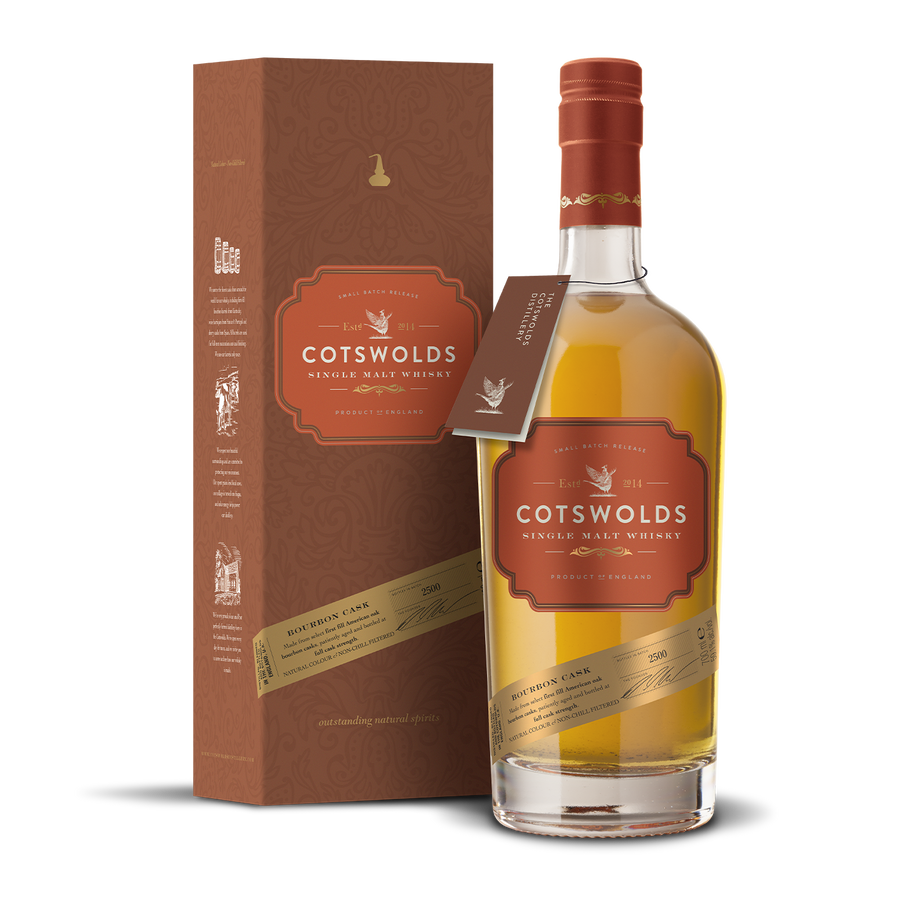
If you enjoy the sweet vanilla and caramel of grain whisky, try our Bourbon Cask Single Malt. Matured in ex-Bourbon American oak, it brings those same soft, sweet notes together with the fruit of our single malt spirit.
Buying for a whisky lover this Christmas?
Our Miniature Whisky Trio is a lovely way to taste three of our single malts side by side. Find more ideas for every budget in our Christmas Gift Guide.
Frequently Asked Questions
Can single grain Scotch whisky be made without barley?
No. Scotch whisky must be made using malted barley, which provides the enzymes that turn starch into sugar. Single grain Scotch combines malted barley with other cereals, usually wheat or corn. Scotland makes a great deal of grain whisky, though most of it goes into blended Scotch rather than being bottled on its own.
Is grain whisky bad or cheap?
Not at all. Much grain whisky is made for blending and mixing, so it can be lighter in flavour. But a good single grain can be excellent. Single malts tend to be fuller and more expressive, while single grains are softer and sweeter. It comes down to what you enjoy.
Which countries are known for single grain and single malt whisky?
Scotland, Ireland, Japan, Canada and the USA all make fine malt and grain whiskies. England is a fast-growing home of single malt, and since 2026 English Whisky has had its own protected Geographical Indication. The USA is best known for Bourbon, a grain-based whiskey made mostly from corn.
How do ageing requirements differ for single grain and single malt?
In the UK, all whisky, malt or grain, must be matured in oak for at least three years. Rules vary elsewhere. Bourbon, for example, has no minimum age at all, although straight Bourbon must be aged for at least two years.
What are the requirements for single grain whisky?
Single grain whisky must be made at one distillery. It can include malted barley, but if it contains anything other than malted barley, it is a grain whisky. It is usually, though not always, made in column stills. In the UK, it must be matured for at least three years in oak.
How does Cotswolds Signature Single Malt taste?
Our Signature Single Malt is rich, bold and fruity, with honey, red fruit and a hint of treacle. It gets its character from our long fermentations and from maturation in highly active STR (shaved, toasted and re-charred) ex-red wine barriques and first-fill ex-Bourbon barrels.
What to Read Next
Single malt vs double malt whisky
Single malt vs single cask whisky
Comparing single malt to other types of whisky