




Whisky FAQs
Is Cotswolds Distillery whisky vegan?
Our single malt whiskies have traditionally included a very small amount of butter during fermentation, so vegans should be aware that current bottles may still carry a trace of this. We're in the process of phasing this out, so keep an eye out for updates as we move toward a vegan-friendly process.
Is Cotswolds Distillery whisky gluten free?
Yes, our Cotswolds Distillery single malt whiskies are gluten free.
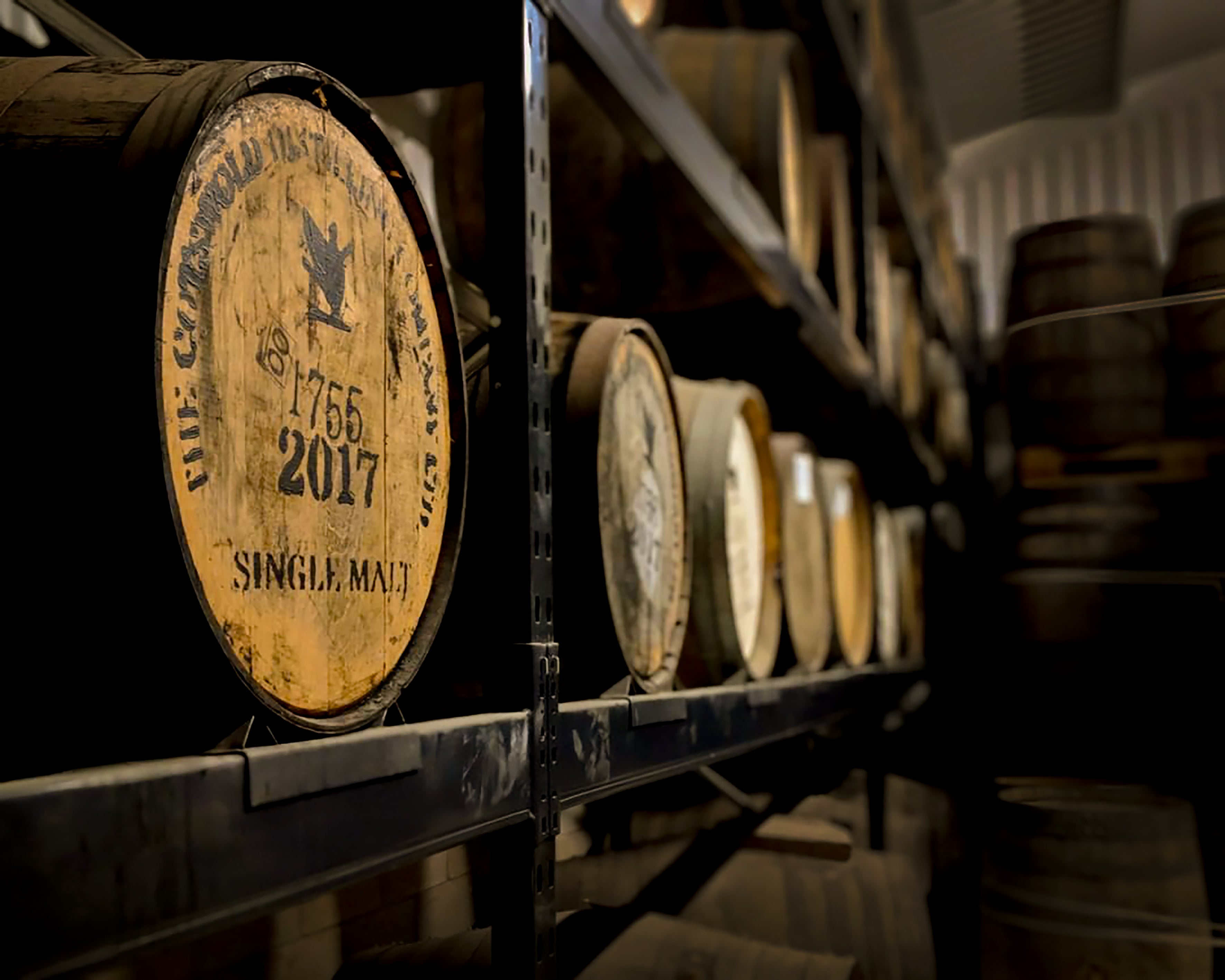
Can I buy a barrel?
You can choose from three cask types, each offering a unique maturation character:
200L First Fill Bourbon Cask – classic notes of vanilla, honey, and tropical fruit.
225L Ex-Red Wine STR Cask – rich and intense, with toffee, chocolate, and red fruits.
250L 2nd Fill Sherry Cask – deep, fruity, and spiced with chocolate notes.
Each purchase includes up to 10 years of storage in our bonded warehouse, plus an annual sample so you can follow your whisky's journey.
For full details, please see our Cask Sales page. If you have questions, contact us at caskbuying@cotswoldsdistillery.com
What is single malt whisky?
Single malt whisky is whisky made from only malted barley at a single distillery. Blending can only occur between barrels from the same distillery and no other grains can be used in the mash bill. 'Malt' refers to a 100% malted barley mash bill. Meanwhile, 'single' refers to the number of distilleries involved.
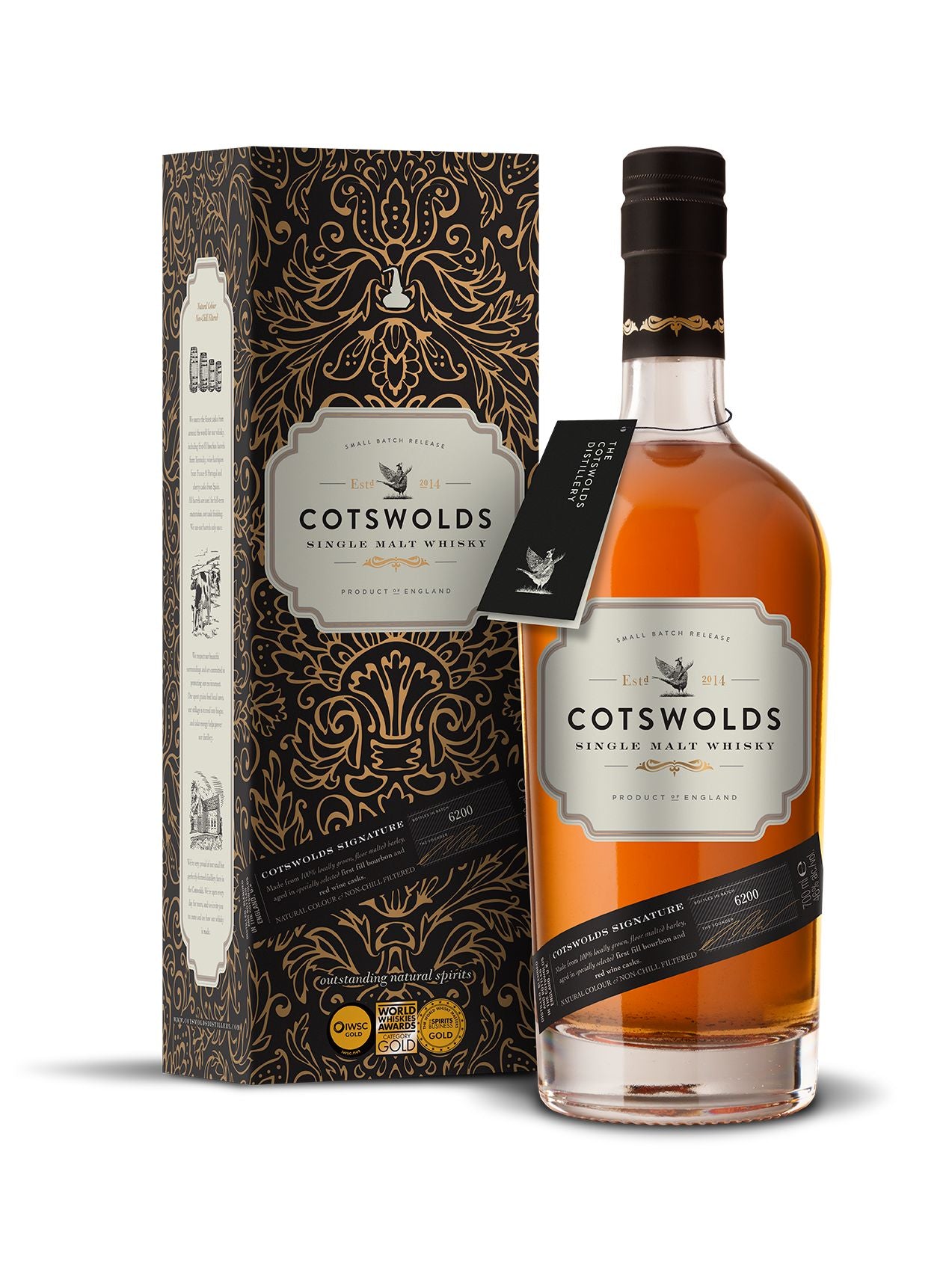
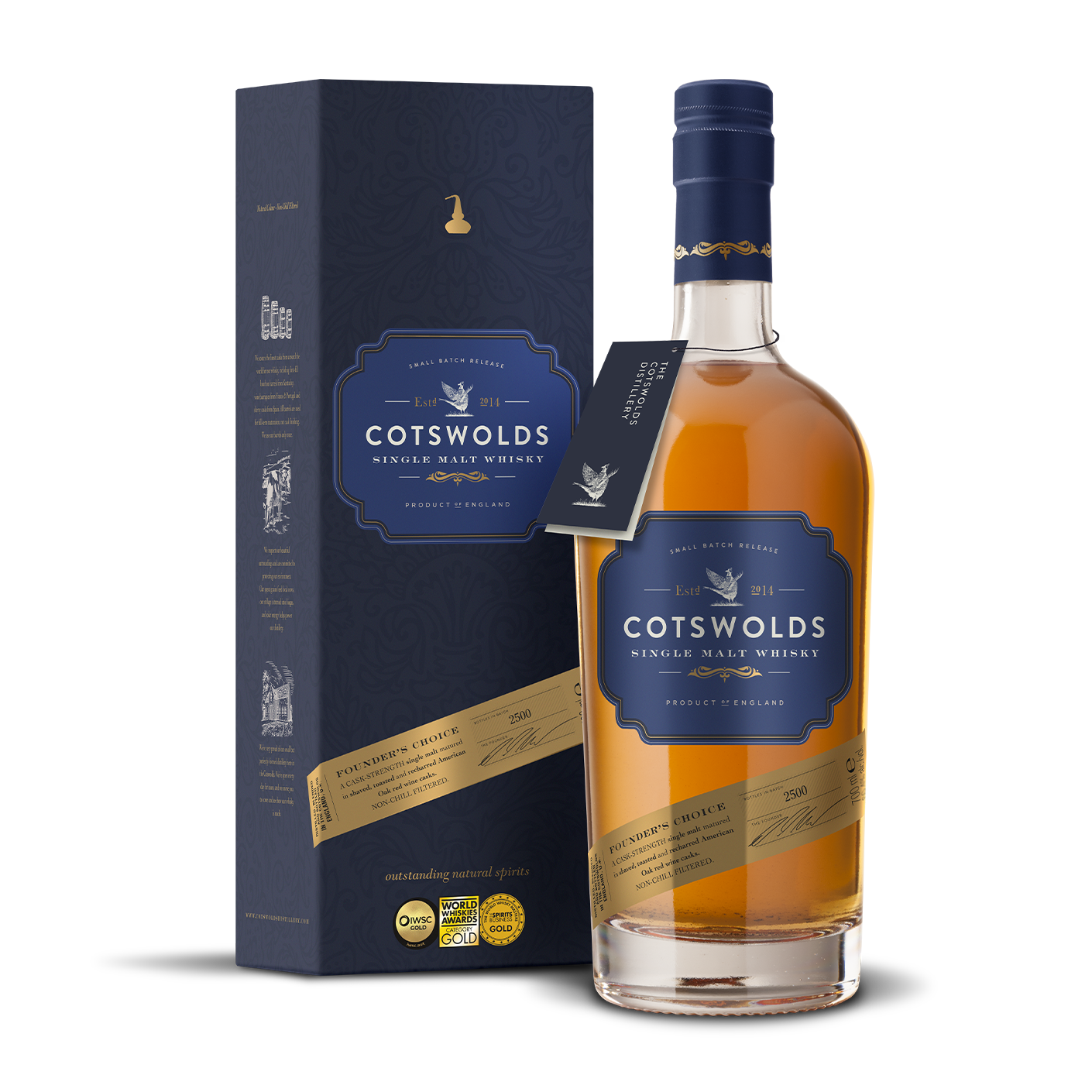
Our own award-winning Cotswolds Signature Single Malt Whisky is a great introduction to the style.
What's the difference between single malt and blended whisky?
Single malt is produced from a single distillery while blended whisky incorporates whiskies from a range of sources. Master blenders select a range of malt or grain whiskies which complement one another. The result is usually a smooth, well-rounded, accessible spirit which can be better for mixing.
You can explore our full range of English single malt whiskies here.
What's the difference between Scotch and single malt?
Scotch whisky must be entirely produced in Scotland (from barley to bottling), but Scotch whisky encompasses single malt and blended styles. Some producers even use a blend of different grains other than malt (Grain Scotch). Single malt can come from anywhere in the world, but must be made using 100% malted barley, produced from a single distillery.
What is non-chill filtration?
Non-chill filtration is a traditional bottling method that preserves more of a spirit's natural oils, esters and flavour compounds. Unlike chill-filtered spirits, which are cooled and filtered before bottling, non-chill filtered spirits retain these elements to deliver a richer mouthfeel, fuller flavour and greater aromatic complexity.
At Cotswolds Distillery, we choose not to chill filter many of our spirits, including our award-winning English single malt whisky and our Cotswolds Dry Gin. This allows the character developed during distillation and maturation—or, in the case of gin, the essential oils from the botanicals—to remain in the bottle.
As a result, your spirit may appear slightly cloudy when chilled or when mixed with ice or a cold mixer. This natural phenomenon, known as a louche, occurs because the flavour-rich oils become visible at lower temperatures. It's completely normal and a sign that your spirit has retained more of its natural character and flavour.
What is natural colour whisky?
Natural colour whisky is whisky that gets all of its colour from the oak casks in which it matures, without the addition of artificial colouring.
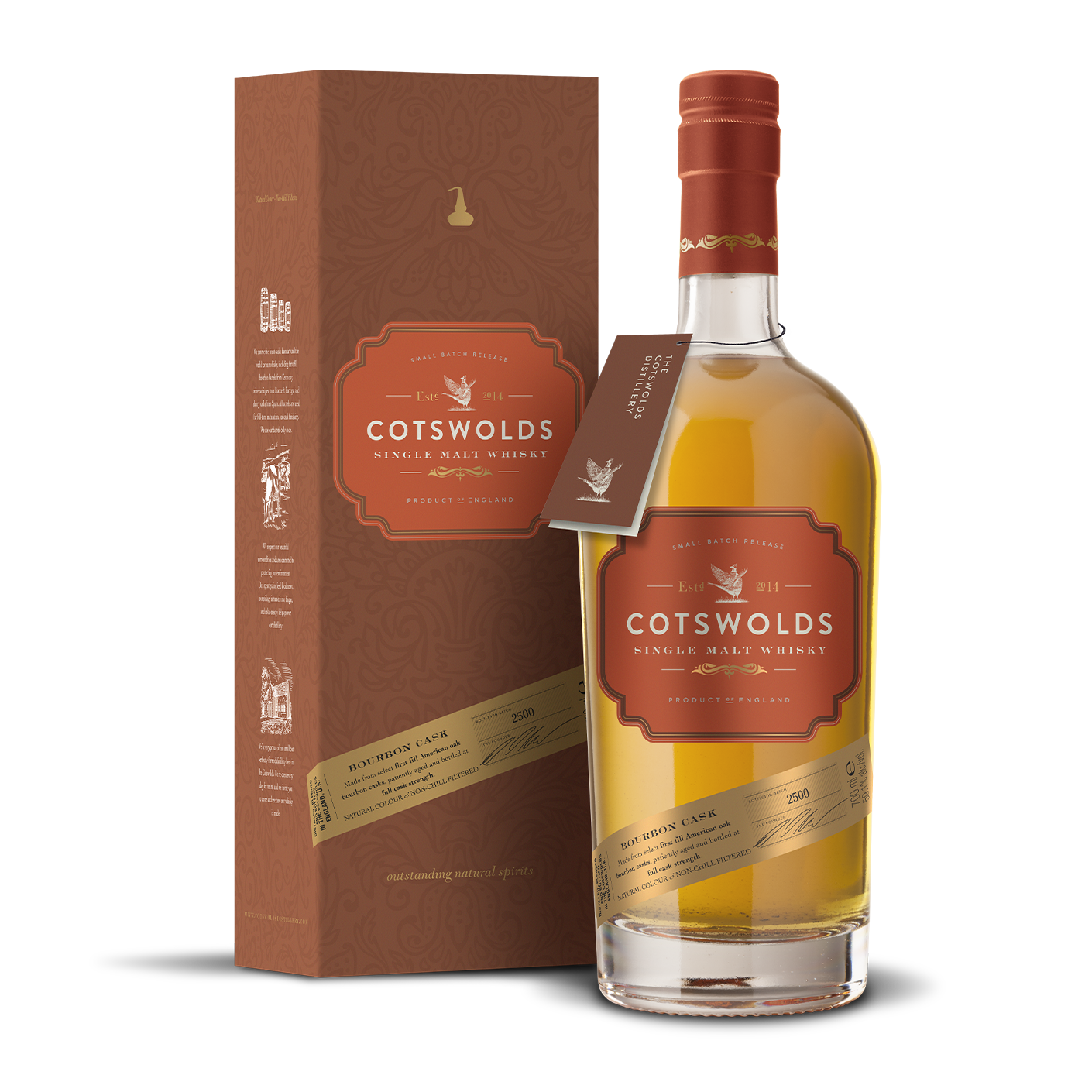
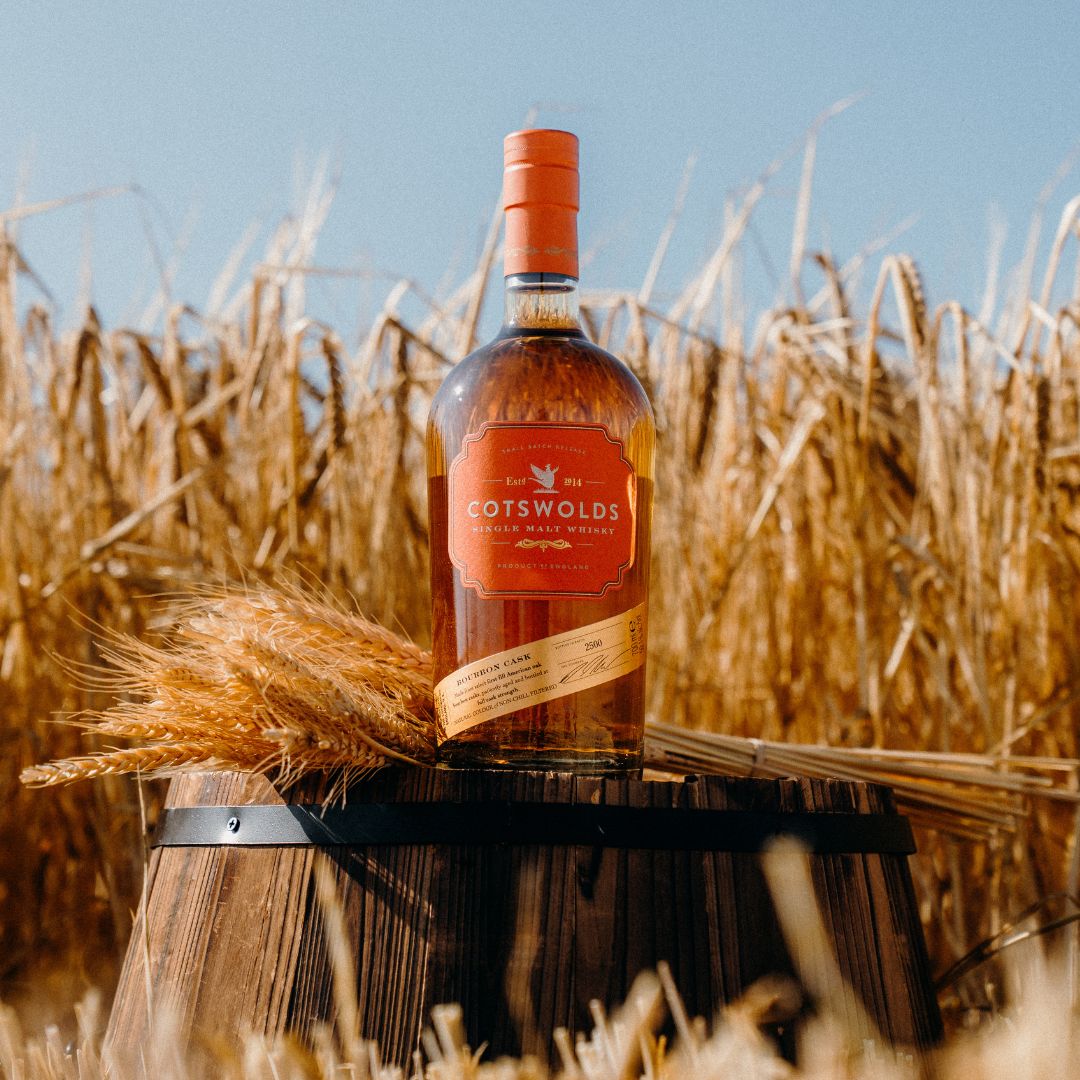
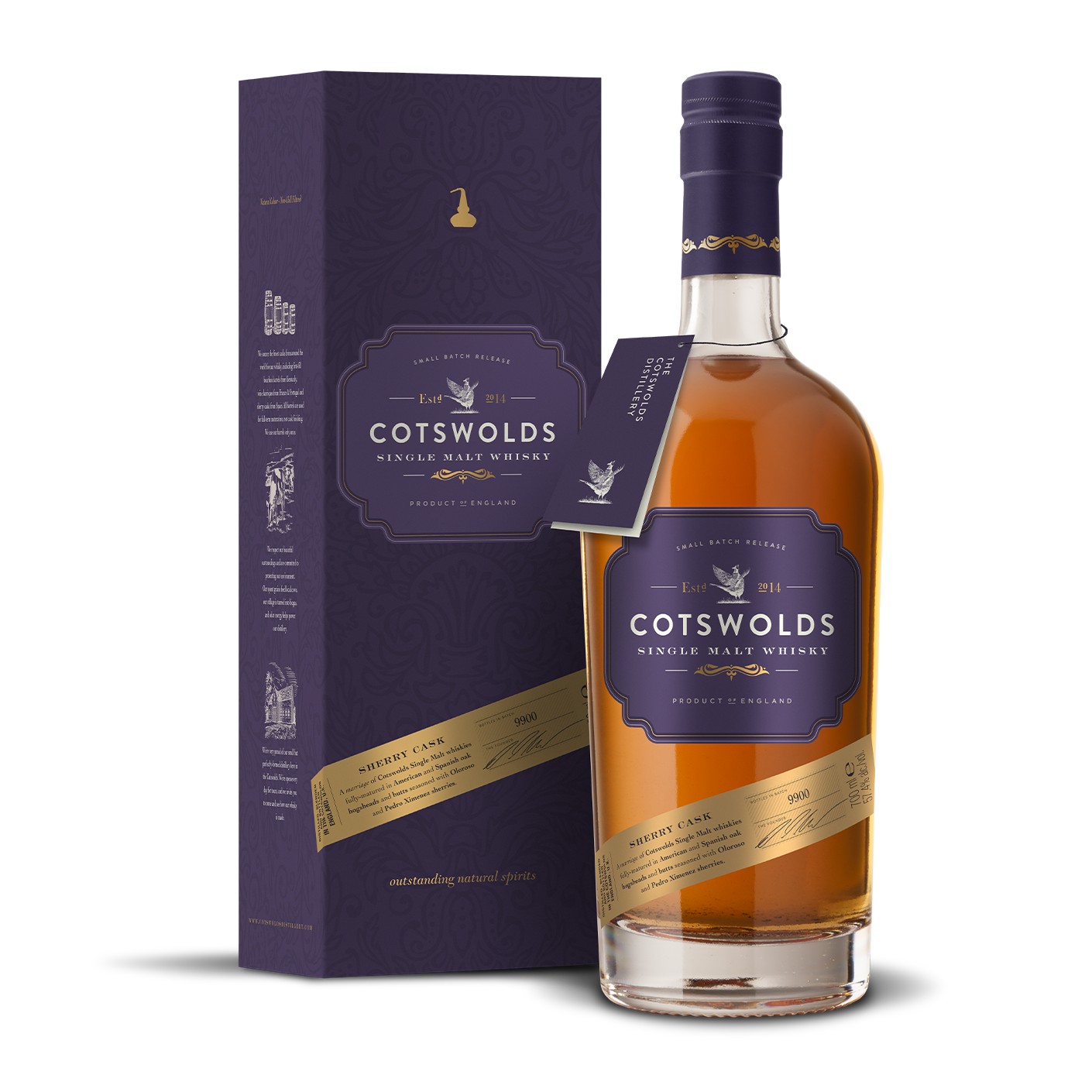
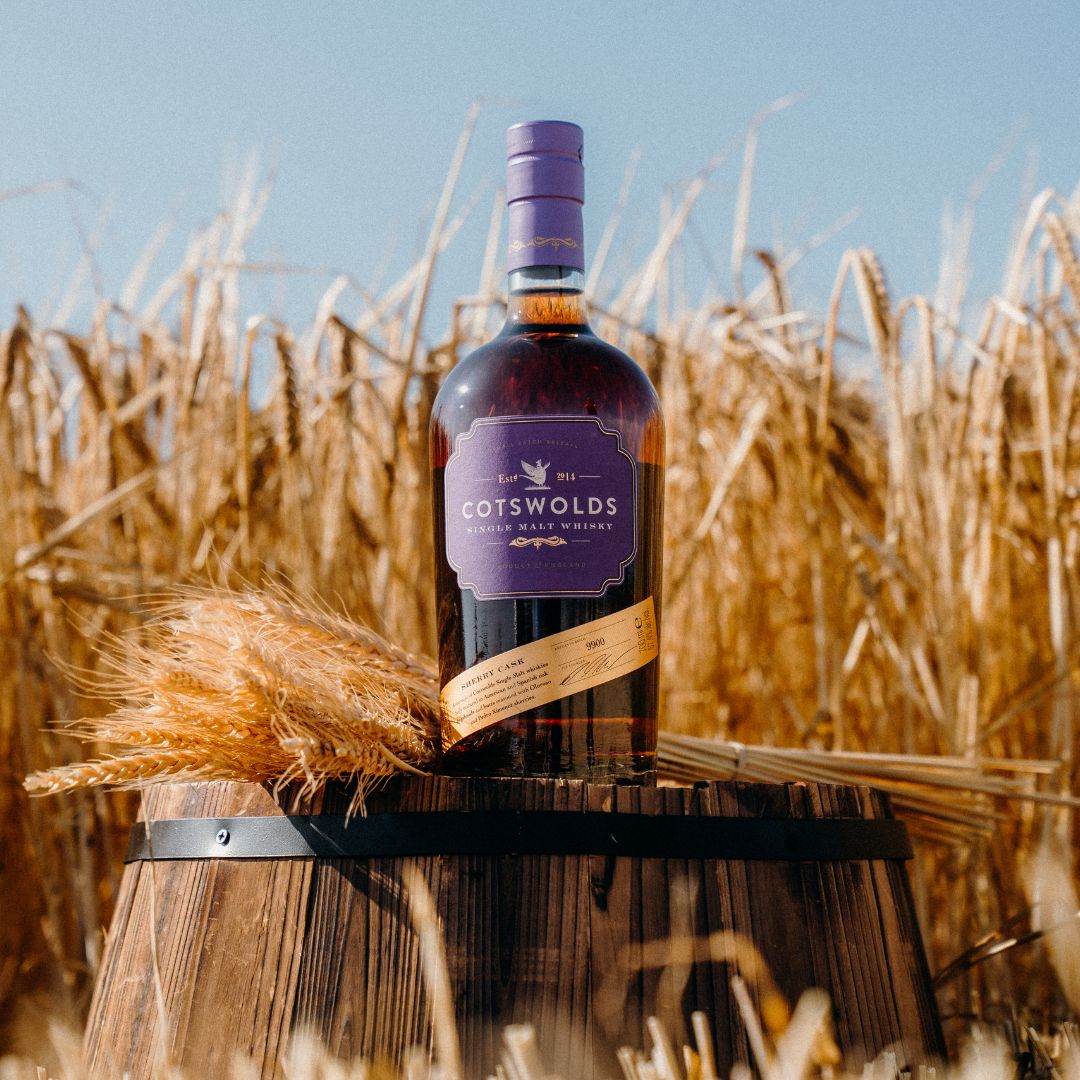
As whisky ages, it draws colour and flavour from the wood, creating shades that range from pale gold to deep amber depending on the cask type and length of maturation. First-fill bourbon barrels typically produce lighter golden whiskies, while sherry and STR red wine casks can create richer amber and mahogany tones.
At Cotswolds Distillery, we never add colouring to our whisky. Every bottle is naturally coloured by the casks, meaning slight variations between batches are entirely normal and reflect the individuality of each maturation.
What is cask strength whisky?
Cask strength whisky is bottled directly from the cask without being diluted to a standard bottling strength. This means it retains its natural alcohol by volume (ABV), often ranging from around 50% to over 60%, depending on the individual cask.
Because it hasn't been diluted, cask strength whisky offers an intense concentration of flavour and aroma, allowing whisky enthusiasts to experience the spirit much as it tastes straight from the barrel.
Many people enjoy cask strength whisky neat, while others add a few drops of water to open up different aromas and flavours. There is no right or wrong way to enjoy it—it's all about finding the balance that suits your palate.
What is the angel's share?
The angel's share is the name given to the small amount of whisky that naturally evaporates from a cask during maturation.
As whisky ages in oak barrels, both water and alcohol slowly pass through the wood and into the atmosphere. Although this results in a gradual loss of volume each year, it's a vital part of the maturation process, allowing the spirit to interact with oxygen and develop greater depth, complexity and character.
At Cotswolds Distillery, every cask experiences its own angel's share as it matures in our warehouses. This natural evaporation is one of the many reasons why well-aged whisky becomes increasingly rare and valuable over time.
