



The Best Guide to Tasting Gin | How to Taste Like an Expert
Known for its incredible resilience and botanically heavy profiles, gin is enjoyed worldwide and is available in popular styles and flavour combinations. There are many different variations to try and experiment with. From traditional styles like London Dry or Old Tom to more unique options – don't just drink the gin; fully immerse yourself in the tasting experience and use different senses.
Here we will dissect the ultimate gin tasting guide to help you enjoy the versatile spirit like a pro. We will explore how to elevate the overall drinking experience, and which gins to try first at Cotswolds Distillery.
- What are the Different Types of Gin?
- Using Your Senses: Eyes, Nose & Taste
- Common Mistakes to Avoid When Tasting Gin
- Try These Cotswolds Distillery Gins
Compare the most popular styles of gin and their unique characteristics.
Focus on specific elements to elevate your gin tasting experience.
Steer clear of these common pitfalls.
Shop our award-winning gins for unique, botanical flavour combinations.[
What are the Different Types of Gin?
Gin is built around the signature juniper, giving the spirit its distinctive piney flavour. This is the core of a quality gin, while additional botanicals further help shape character and create a balanced flavour profile.
Some of the most popular types of gin include London Dry, Old Tom, Sloe Gin and flavoured options, which we explain further below:
London Dry Gin
London Dry is the most influential gin worldwide, originally a style but now defined by its production process. It is not only distilled in London – instead, it refers to a juniper-forward spirit known for its crispness and featuring popular botanicals like angelica root, coriander seeds, and bay leaves.
The main tasting notes to look for in a London Dry gin are its crisp, dry and juniper-led flavour profile. Note how the botanicals balance with the juniper berries, including citrusy, spicy, herbal, or floral additions. This popular style works incredibly well in a gin and tonic, other classic cocktails or simply drunk neat.

● Flavour Profile: Citrus, spice and floral
● Key Botanicals: Juniper berries, cardamom seed, black peppercorn and local Snowshill lavender
● Perfect for: Classic G&Ts, drinking neat and botanical-heavy flavours
Shop our award-winning Cotswolds Dry Gin here.
Old Tom Gin
Compared to the classic London Dry, the Old Tom style is often softer and slightly sweeter, delivering a well-rounded texture. Common notes may include caramel, warm spice, citrus and liquorice.
Flavoured Gins
Though gin must be juniper-forward, different flavours may be added through distillation, infusion, and botanicals added after distillation. Popular flavoured gins include pink gin, berry, citrus, floral, spicy, and tropical fruit flavours.
Find the best flavour of gin and read our expert guide on key characteristics and what to look for.
Decide which gin you want to try first, using our comparison table below to find the most suitable characteristics:
| Style | Typical Characteristics | Sweetness | What to Look for |
| London Dry Gin | Crisp and juniper-forward | Dry | Juniper berries, citrus and spice |
| Old Tom Gin | Well-rounded and sweeter | Slightly sweet | Body and warm spice |
| Contemporary Gin | Botanical-heavy | Varies | Leading floral, herbal or citrus flavours |
| Sloe Gin | Rich and fruity | Sweet | Berries and acidity |
| Flavoured Gin | Varying in flavour, including fruity, floral, herbal or spice-led | Varies | Good balance between juniper and flavour |
| Navy Strength Gin | Powerful and concentrated | Powerful and concentrated | Warmth and strong finish |
Choosing the Right Glassware and Equipment for Gin Tasting
To appreciate gin in a full tasting experience, you want a glass that lets you gently smell the spirit without overpowering the nose. Make sure to choose glassware that is clean, plain and has a wide rim.
When tasting gin, many choose to drink the spirit neat to truly unlock the various flavours – make sure to not fill the glass too full and take small sips. A small tulip-shaped glass is the perfect option for drinking gin neat, as it allows you to fully explore the different aromas and flavours and provides enough room to gently swirl the spirit.
Alternative options include a rocks glass, a tumbler, and a classic Copa glass, which prevents warmth from your hands from interfering with the tasting experience.
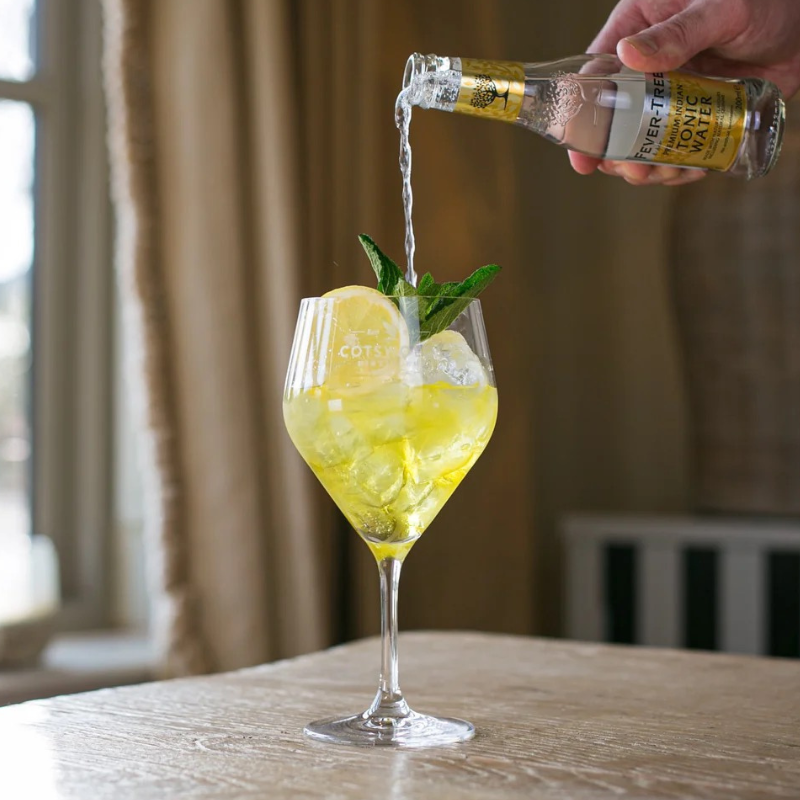
Other things to consider include a glass of still water as a palate cleanser and a pipette, which you can use to add a droplet of water to the gin and unlock different flavours.
For more information, read our expert guide to choosing the right glassware for your gin here.
Using Your Senses: Eyes, Nose & Taste
To truly appreciate the gin's character and overall taste, you can follow a simple structure. Make sure to try the spirit in a well-lit room to see its colour, and serve around 15-25ml of each gin. You don't need to overdo the amount, as you may be testing a number of different gins and styles. Consider this format:
1) Look at the gin
2) Smell it
3) Taste it neat
4) Add a few drops of water and taste it
5) Try it with a tonic
6) Record how the flavours change
Here are some top tips and tricks for using not just your sense of taste, but your eyes and nose as well:
Eyes
The first thing to check when tasting gin is its colour. Is the gin colourless, golden, pink or another shade? This may depend on the gin style and overall flavour, such as Sloe Gin, which often has a red or purple tint due to its high berry content.
Colour alone is not the only sign of quality. If there is no colour and it is completely clear, does any haze or sediment appear after water, ice or tonic is added? This often indicates that the gin is packed with real, natural essential oils from carefully chosen botanicals.
With our award-winning Cotswolds Distillery Dry Gin, notice the pearlescent cloud that appears when the spirit is mixed with ice or tonic. This is thanks to the large number of botanicals featured, which create a perfectly balanced flavour profile, including local lavender from the Cotswolds, bay leaves, and freshly peeled lime and pink grapefruit.

Enjoy a Cloudy Martini or a Cloudy Gin & Tonic – unique twists on classic drinks.
Shop the Cotswolds Dry Gin here.
Nose
The next step is to explore the gin's aromas. Hold the glass below the nose rather than sticking the nose inside the glass bowl. Take short and gentle sniffs, keeping the liquid as still as possible to reduce any vapours. Look out for and try to identify the following smells:
● Juniper berries: pine, resin
● Citrus: lemon, lime, grapefruit, orange
● Floral: lavender, elderflower, violet
● Herbal: bay leaves, rosemary, mint
● Spice: cardamom, black peppercorn, coriander
● Earthy: angelica root, liquorice
● Fruity: berries, tropical fruit
Taste
Your first sip is one of the most important parts of tasting gin and truly unlocking the flavours. It helps the palate adjust to the alcohol, allowing you to see which flavour comes out first. After taking another sip, try to notice the texture of the gin, such as whether it's light, silky, creamy, crisp, warming or drying.
Once you have sipped the gin neat, add a few drops of water to see how the flavour changes and whether any other botanicals come through. Try again by adding ice or a tonic of your choice.
Common Mistakes to Avoid When Tasting Gin
Gin tasting is a relatively simple process that can be adapted to meet your individual palate and style. But there are certain pitfalls to avoid that may hamper your overall experience:
● Serving the Gin Too Cold – very cold temperatures may suppress aromas
● Not Trying the Gin Neat – this gives the clearest image of the gin, and should not be overlooked
● Choosing Too Strong a Flavour – avoid overpowering tonics or garnishes. A good option is Fever-Tree Indian Tonic Water to be added after drinking the gin neat
● Pouring Too Much – use consistent measures, keeping it a small amount (15 to 25ml)
● Drinking Too Quickly – allow time between samples and drink water regularly. Tasting gin is not about getting drunk; it’s to enjoy and appreciate the complex, differing flavours
● Tasting Too Many Gins – keep it simple and consider sampling four to six gins. For high-strength gins, consider only tasting two to four
● Swirling the Glass – unlike wine, gin does not need to be swirled excessively, which may release strong alcohol vapours during the smelling stage
Try These Cotswolds Distillery Gins
For your next tasting session, consider trying gins that differ in their base, flavours and overall aromas. This Miniature Trio Gin Set from Cotswolds Distillery features three standout styles, to truly appreciate this versatile spirit.

- Cotswolds Dry Gin - crisp, juniper-forward London Dry gin
- Cotswolds Old Tom Gin - sweeter Old Tom style gin
- Cotswolds Hedgerow Gin - our take on the Sloe Gin, combining Cotswolds Dry Gin with the finest handpicked local fruit and berries
Shop the Miniature Cotswolds Distillery Gin Trio Set.
For a thorough gin tasting experience, join us for an award-winning tour and tasting session at Cotswolds Distillery. Our working distillery is home to our award-winning whisky and gin, where we utilise traditional production methods to achieve a smooth, textured finish.
Book your next Cotswolds Distillery tour and tasting experience here.